UCCA Beijing Open Today, 10:00-19:00 (Final entry: 18:30)
UCCA Dune Closed Today,
UCCA Clay Closed Today,
UCCA Clay
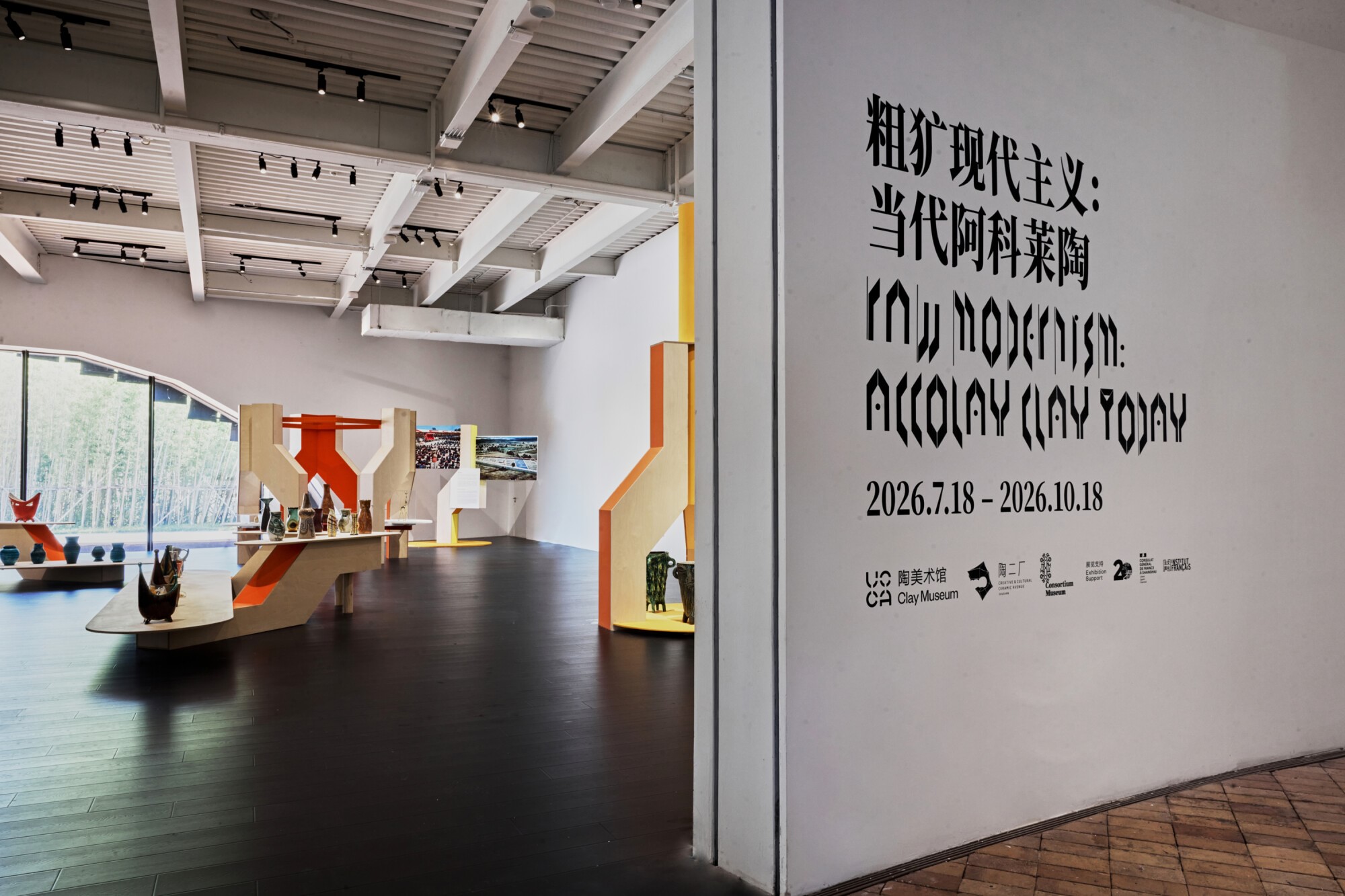
Raw Modernism: Accolay Clay Today
2026.7.18 - 2026.10.18
About
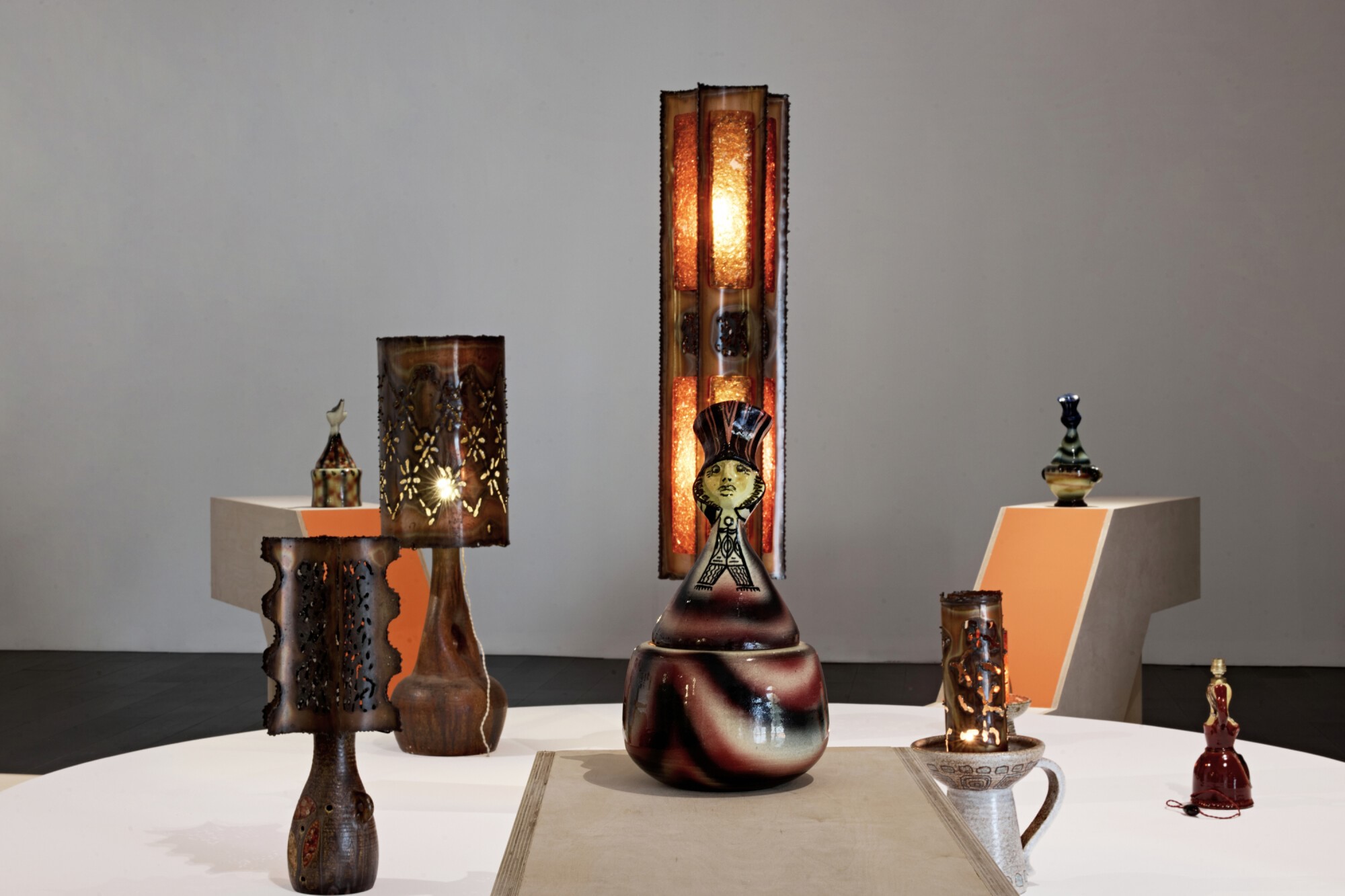
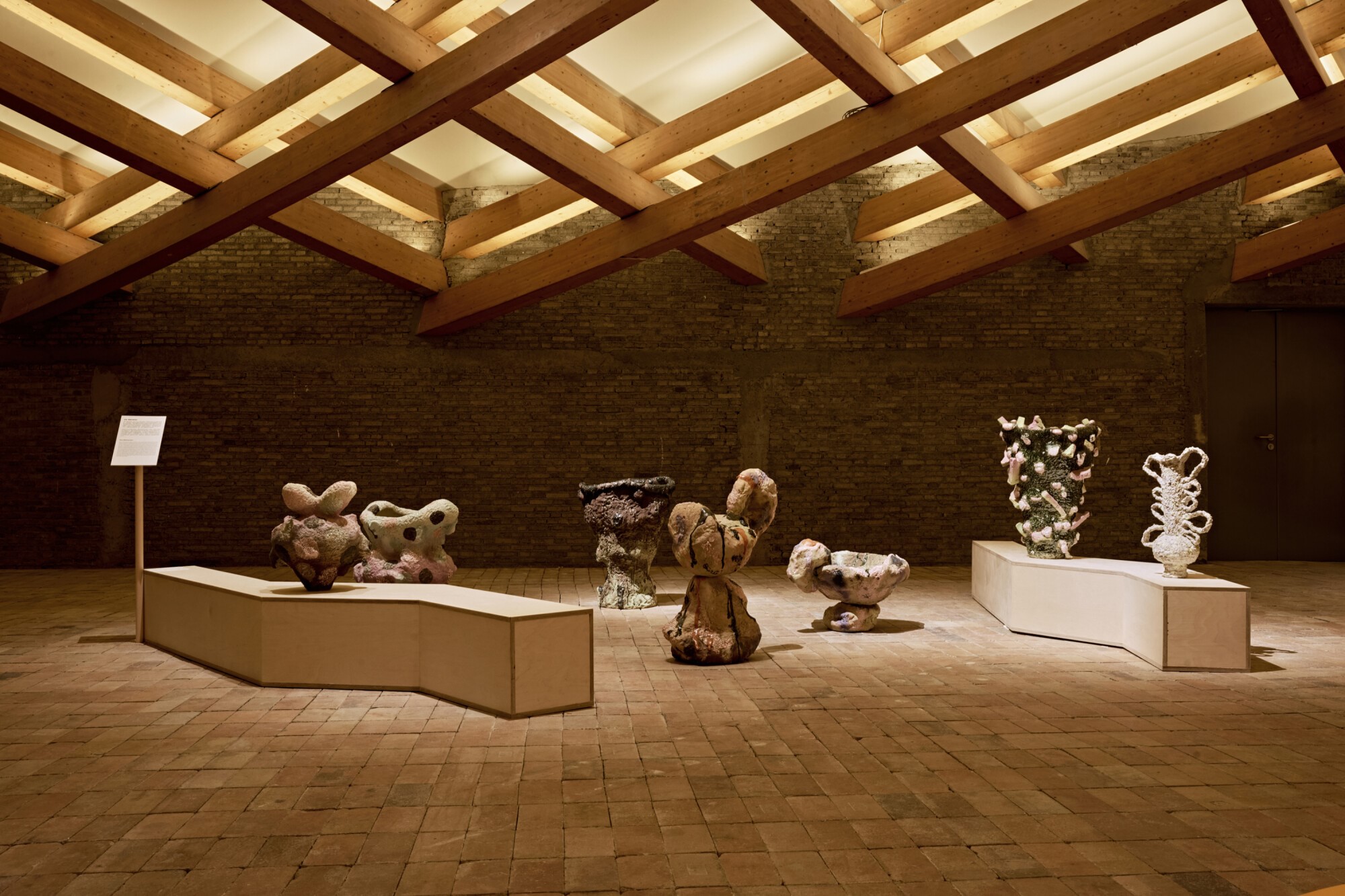
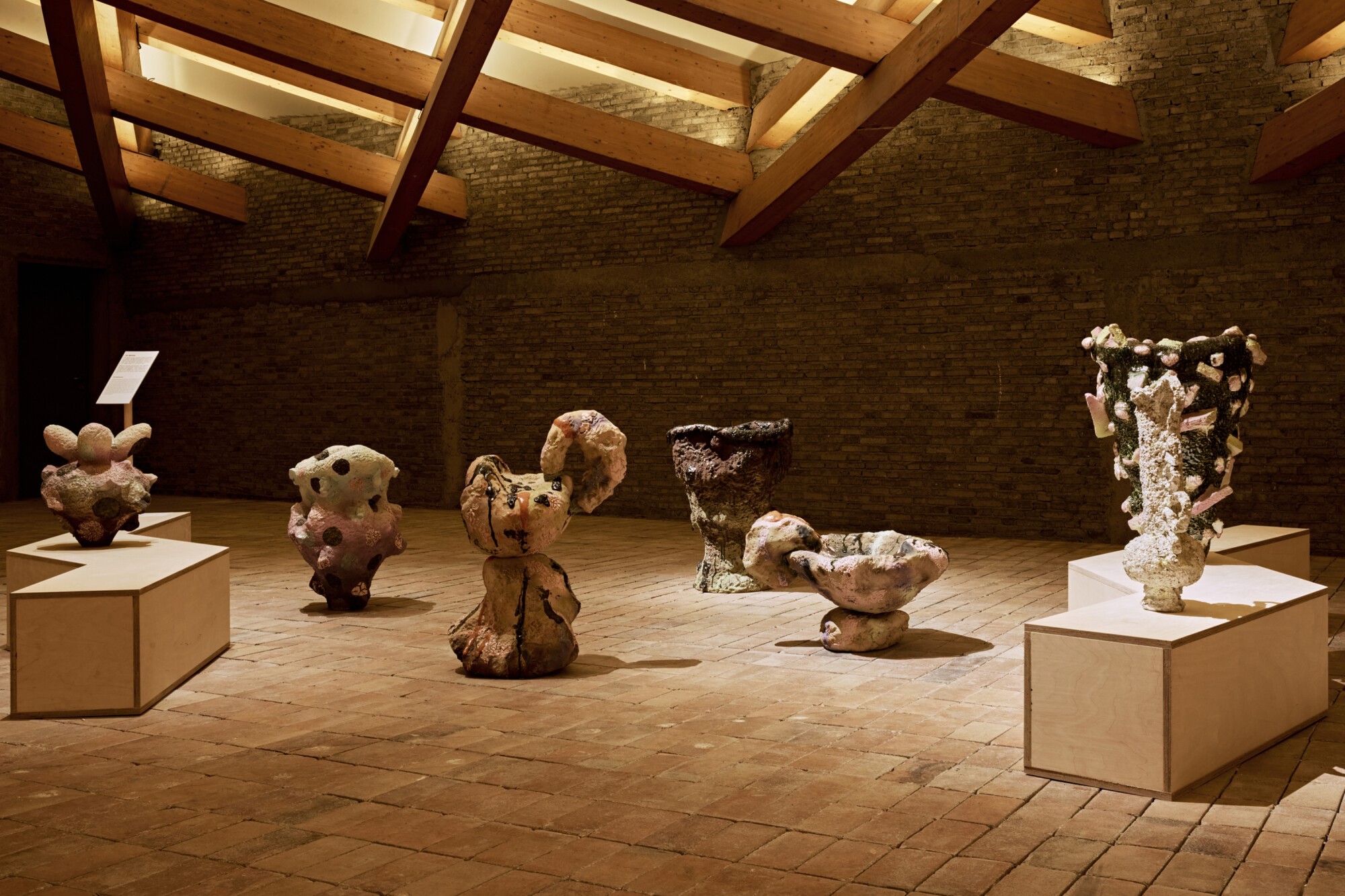
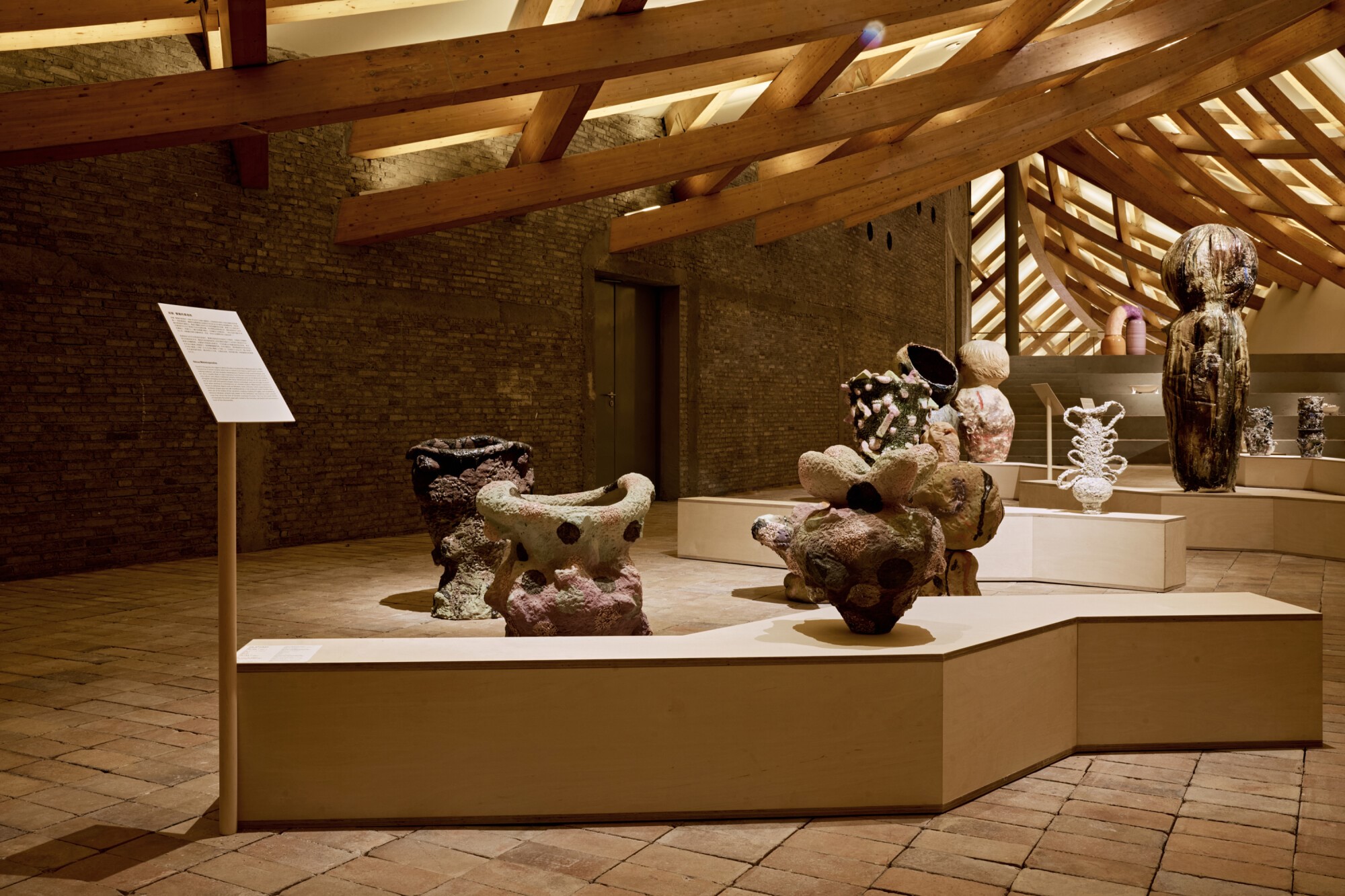
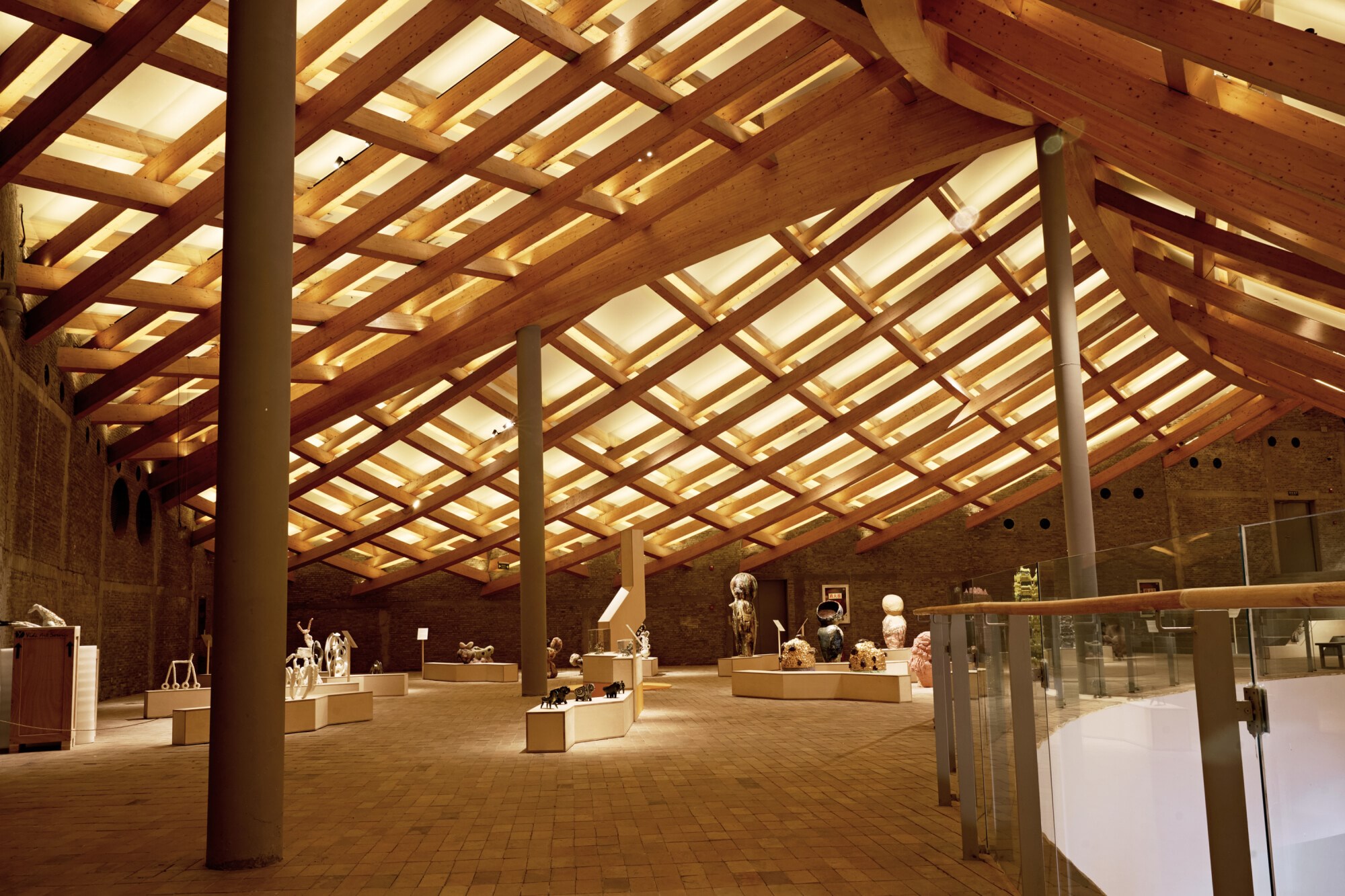
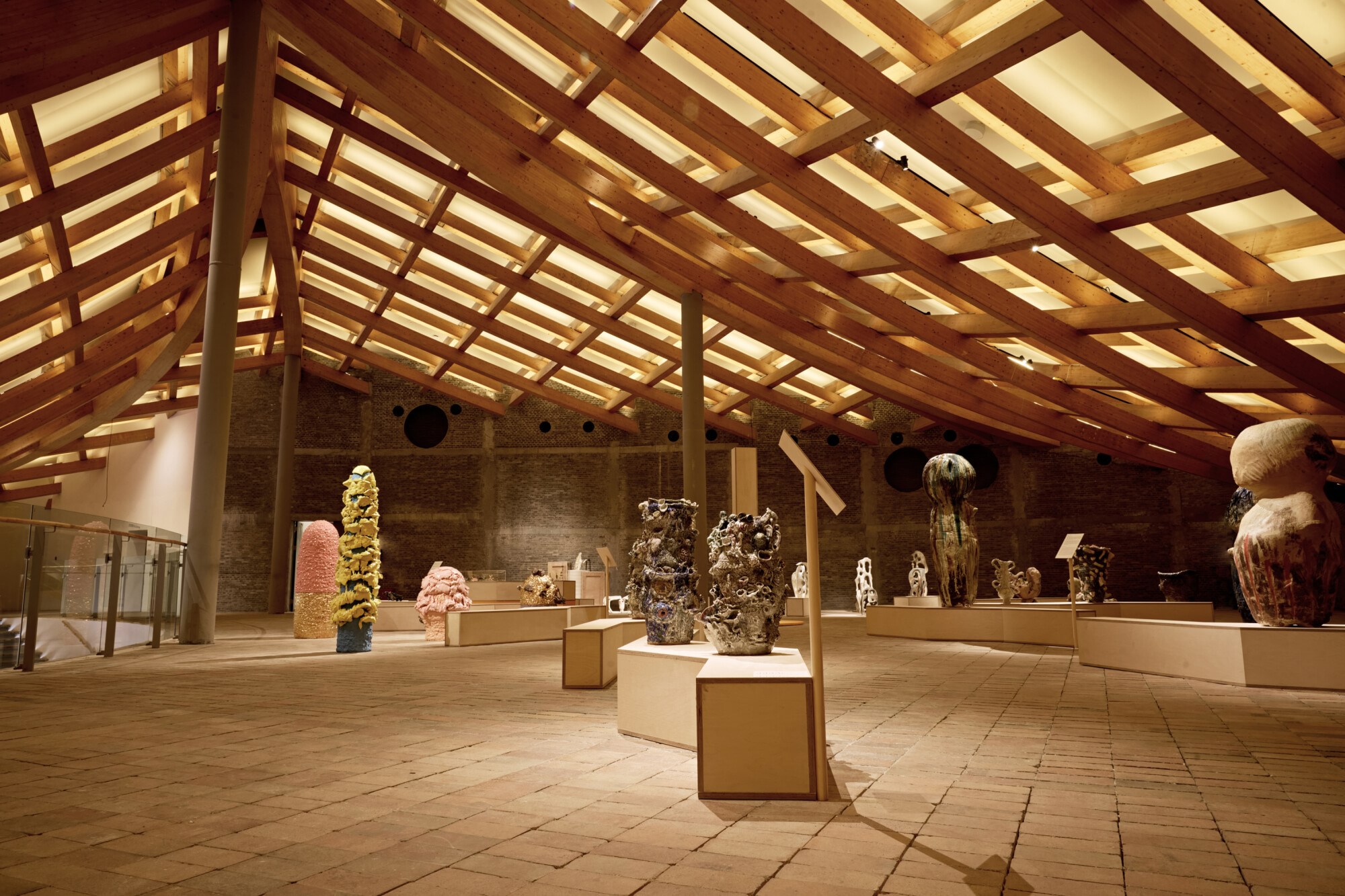
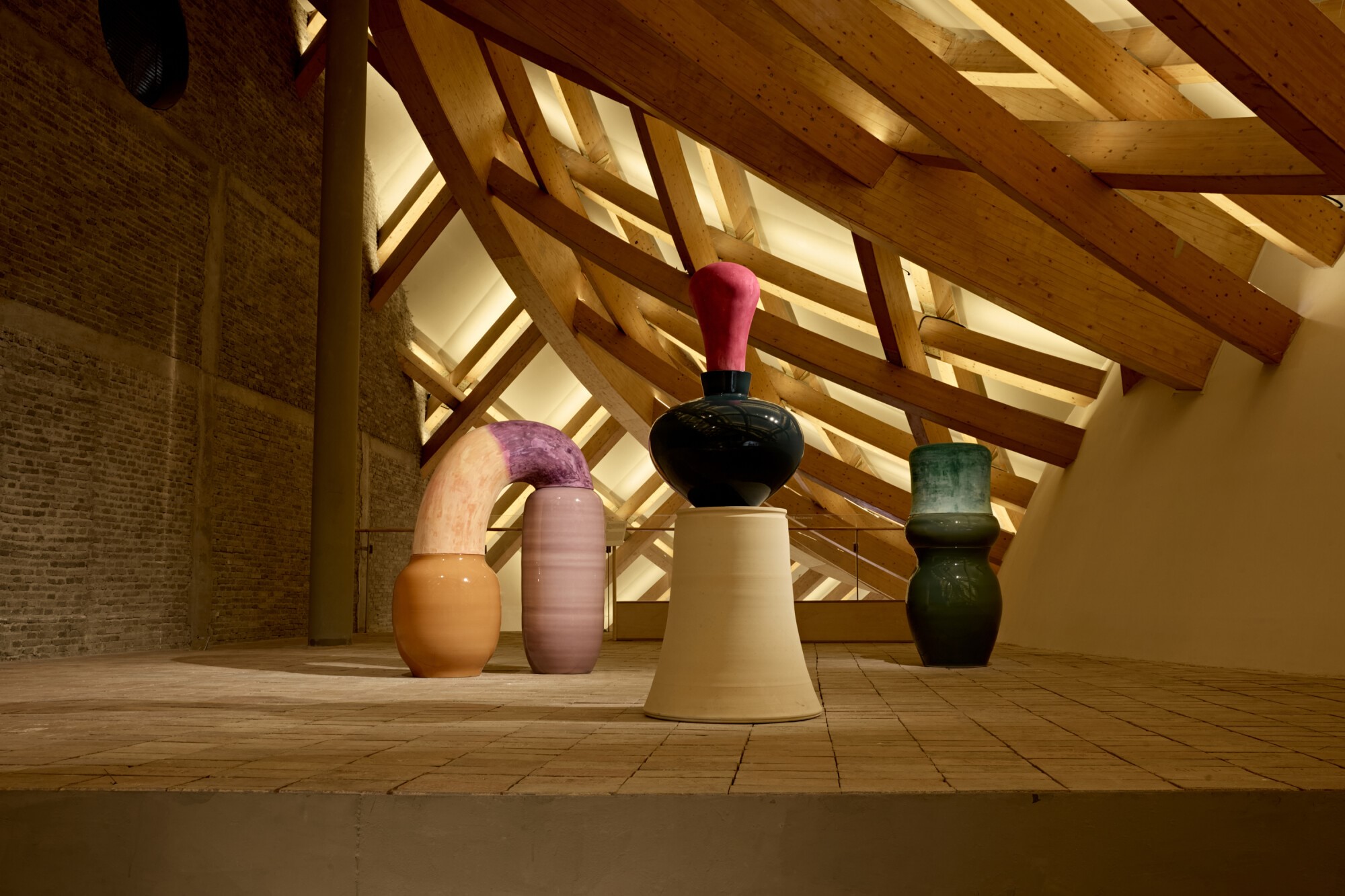
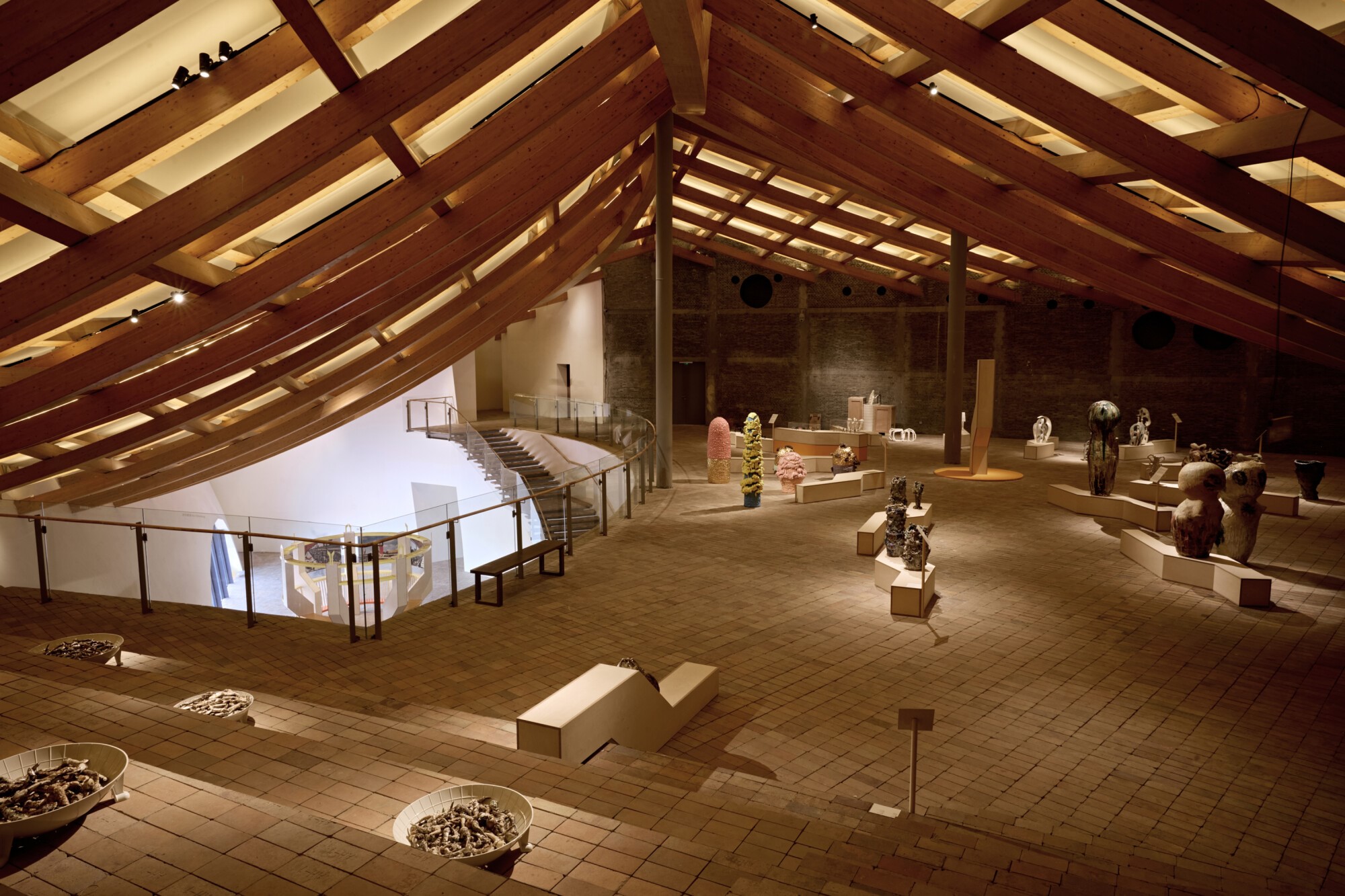
From July 18 to October 18, 2026, UCCA Clay presents the exhibition “Raw Modernism: Accolay Clay Today.” Bringing together 124 ceramic works from the Accolay workshops in France, alongside recent works by eight contemporary artists—including Sylvie Auvray, Nitsa Meletopoulos, Geng Xue, Ou Ming, Sun Yue, Kudo Reina, Takuro Kuwata and Robert Cuoghi—the exhibition explores the artists’ parallel inquiries and reflections on craft, materiality, and the expressive potential of clay. This exhibition is presented by UCCA Center for Contemporary Art in collaboration with Consortium Museum, Dijon, France. The exhibition is generously supported by the Consulate General of France in Shanghai and the Institut Française and forms part of the 2026 Festival Croisments.
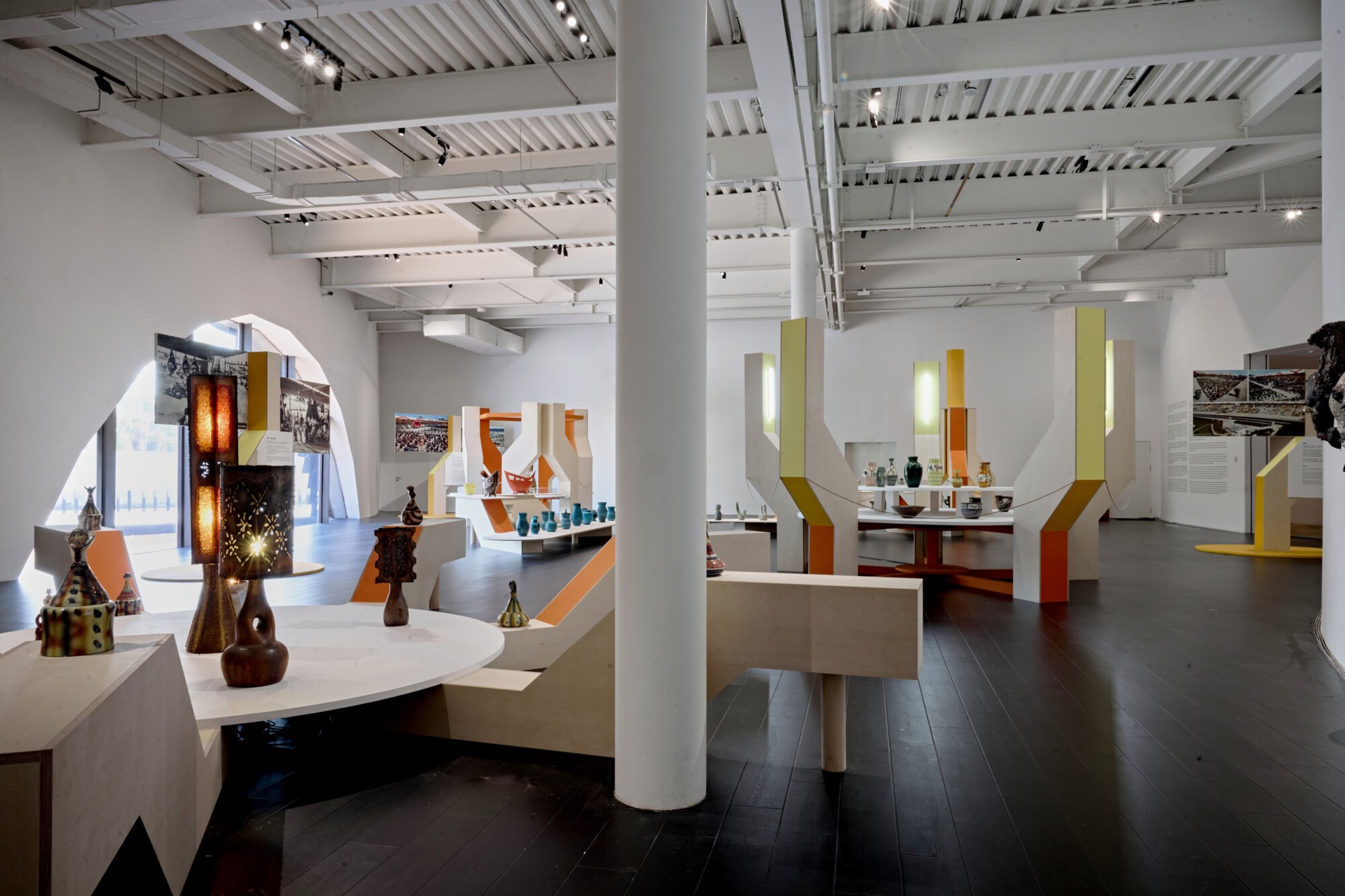
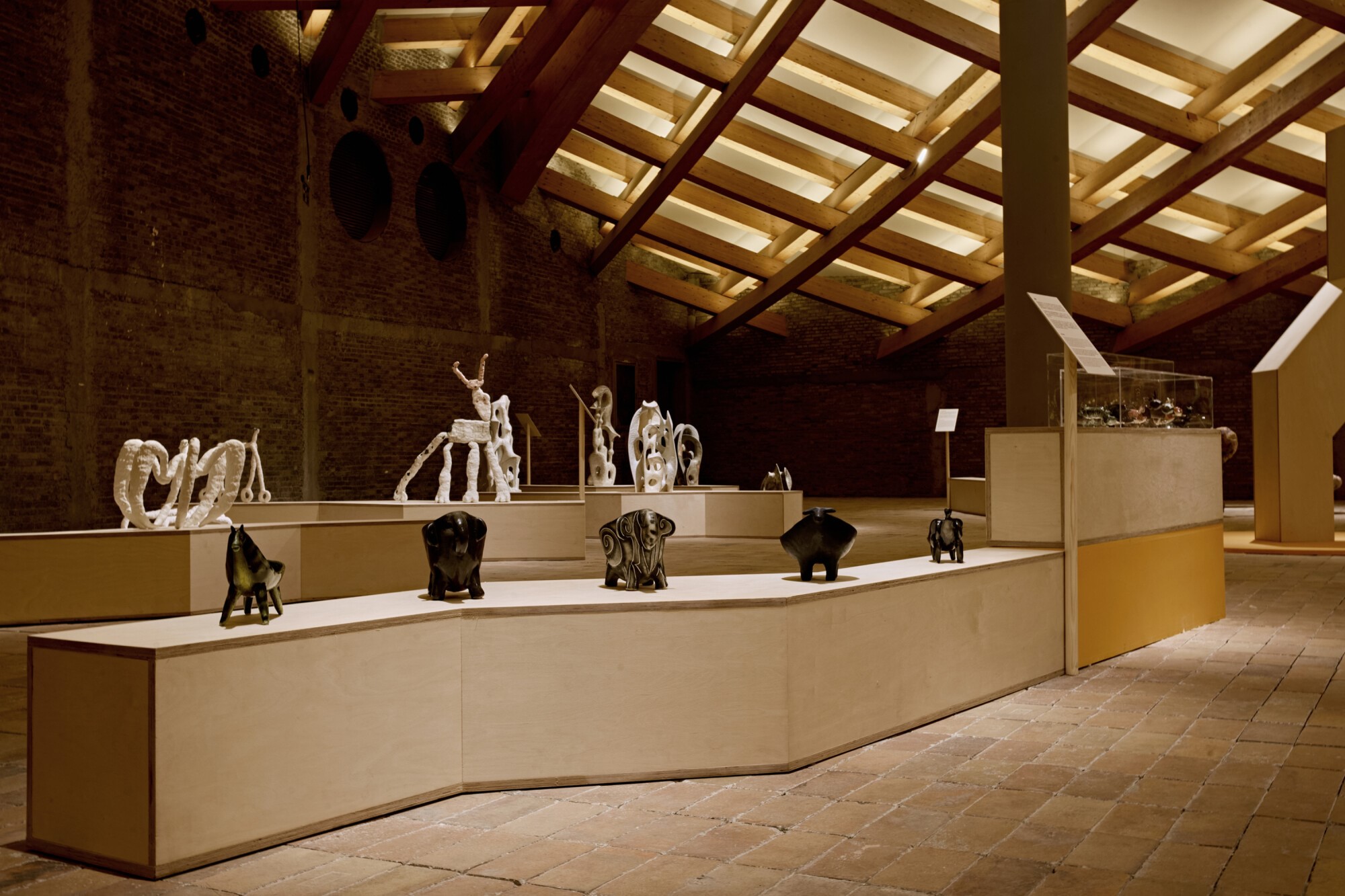
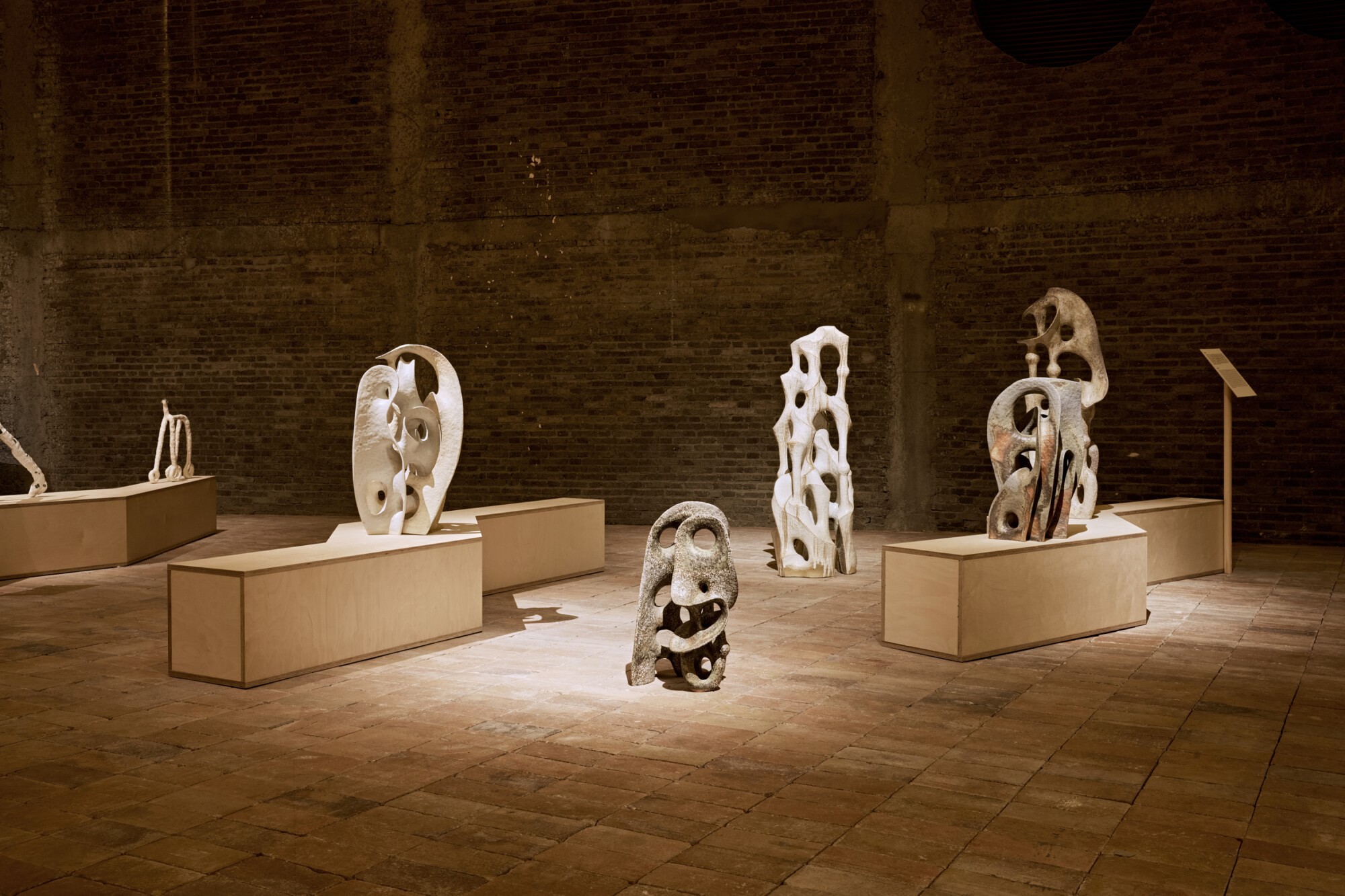
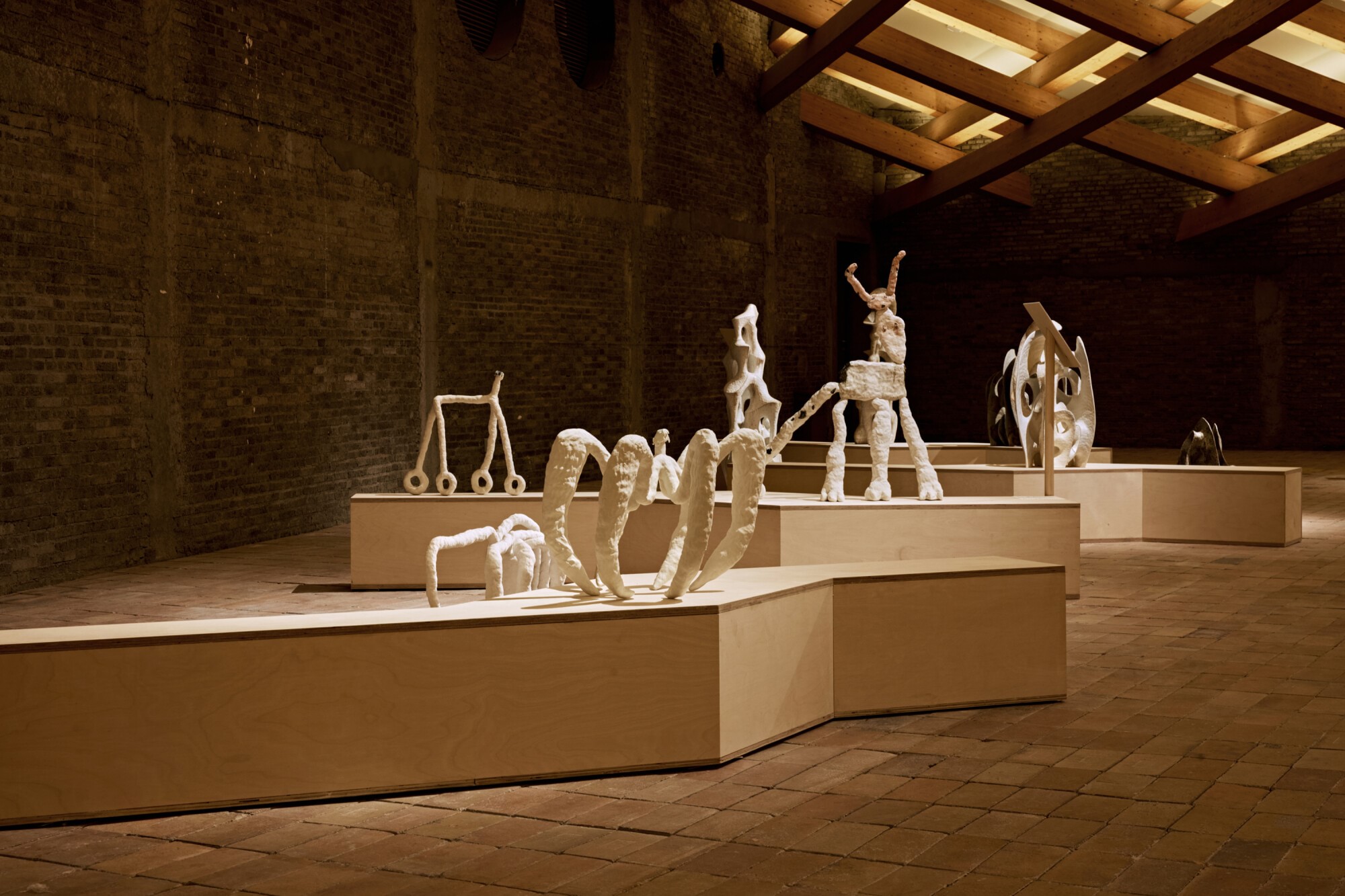
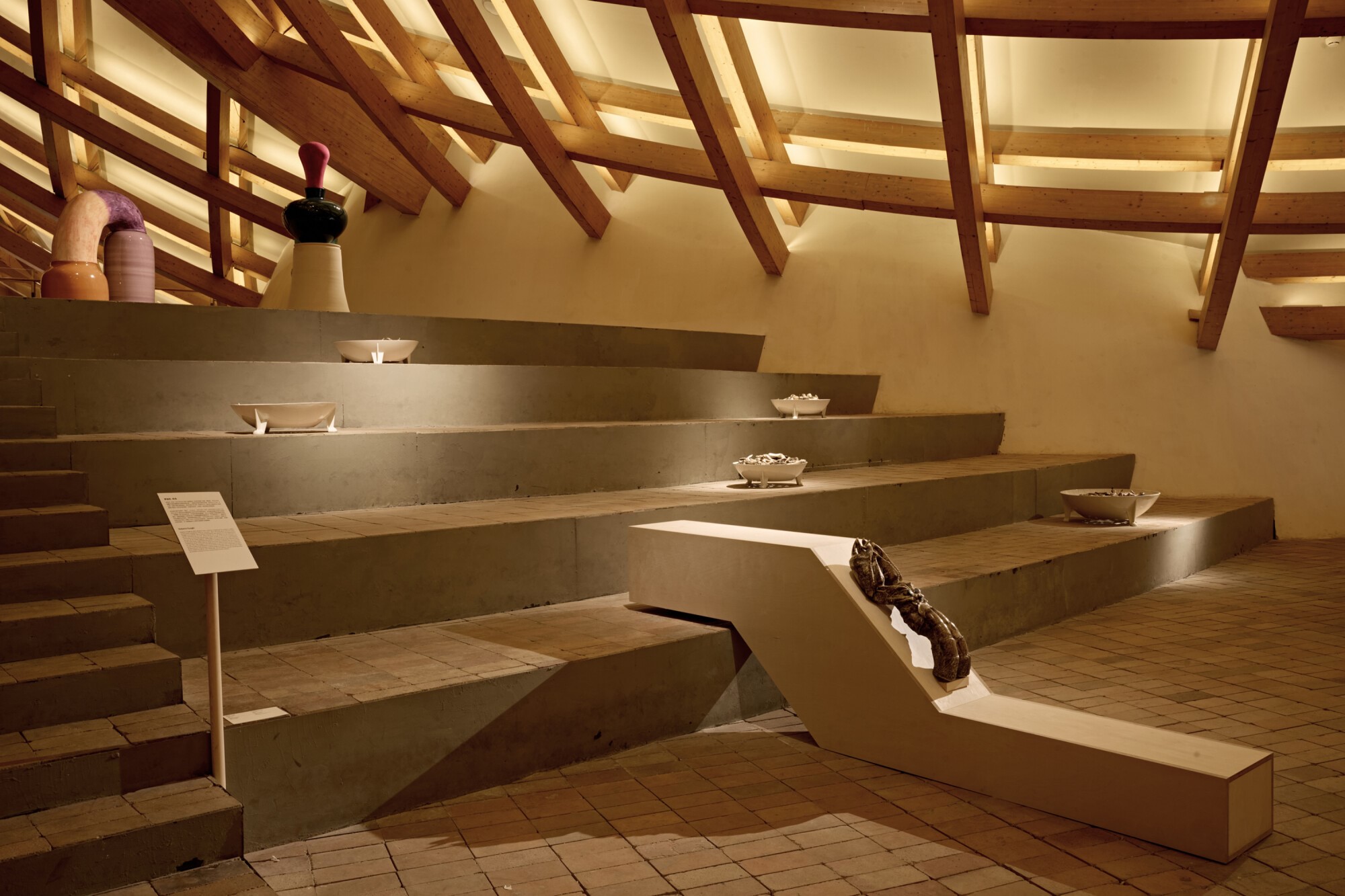
UCCA Clay presents “Raw Modernism: Accolay Clay Today” from July 18 to October 18, 2026. Focusing on the ceramic practices of the Accolay workshops in France from the late 1940s until the late 1980s, this exhibition brings together 124 ceramic works alongside recent works by French artists Sylvia Auvray and Nitsa Meletopoulos; Chinese artists Geng Xue, Ou Ming, and Sun Xue; Japanese artists Rena Kudoh and Takuro Kuwata; and Italian artist Robert Cuoghi. Through juxtaposing the historical workshop production system of Accolay ceramics and contemporary ceramic practices, the exhibition explores the parallel inquiries and reflections on craft, materiality, and the expressive potential of clay. This exhibition is presented by UCCA Center for Contemporary Art in collaboration with Consortium Museum in Dijon, France. It is curated by Franck Gautherot, co-founder and co-director of Le Consortium, Seungduk Kim, co-director of Consortium, and UCCA Assistant Curator Zhang Yao, with exhibition design by matali crasset. The exhibition is generously supported by the Consulate General of France in Shanghai and the Institut Française and forms part of the 2026 Festival Croisments.
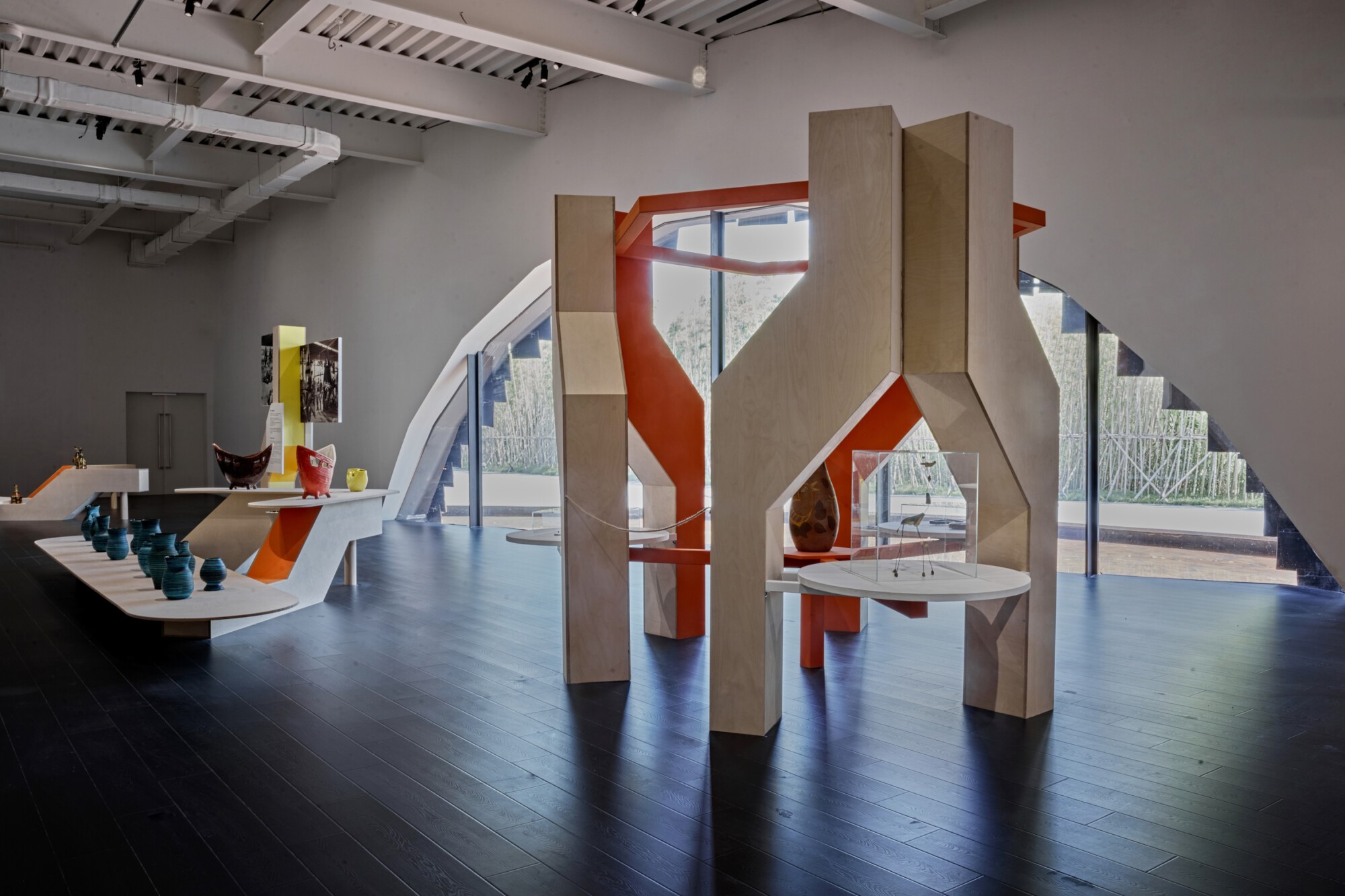
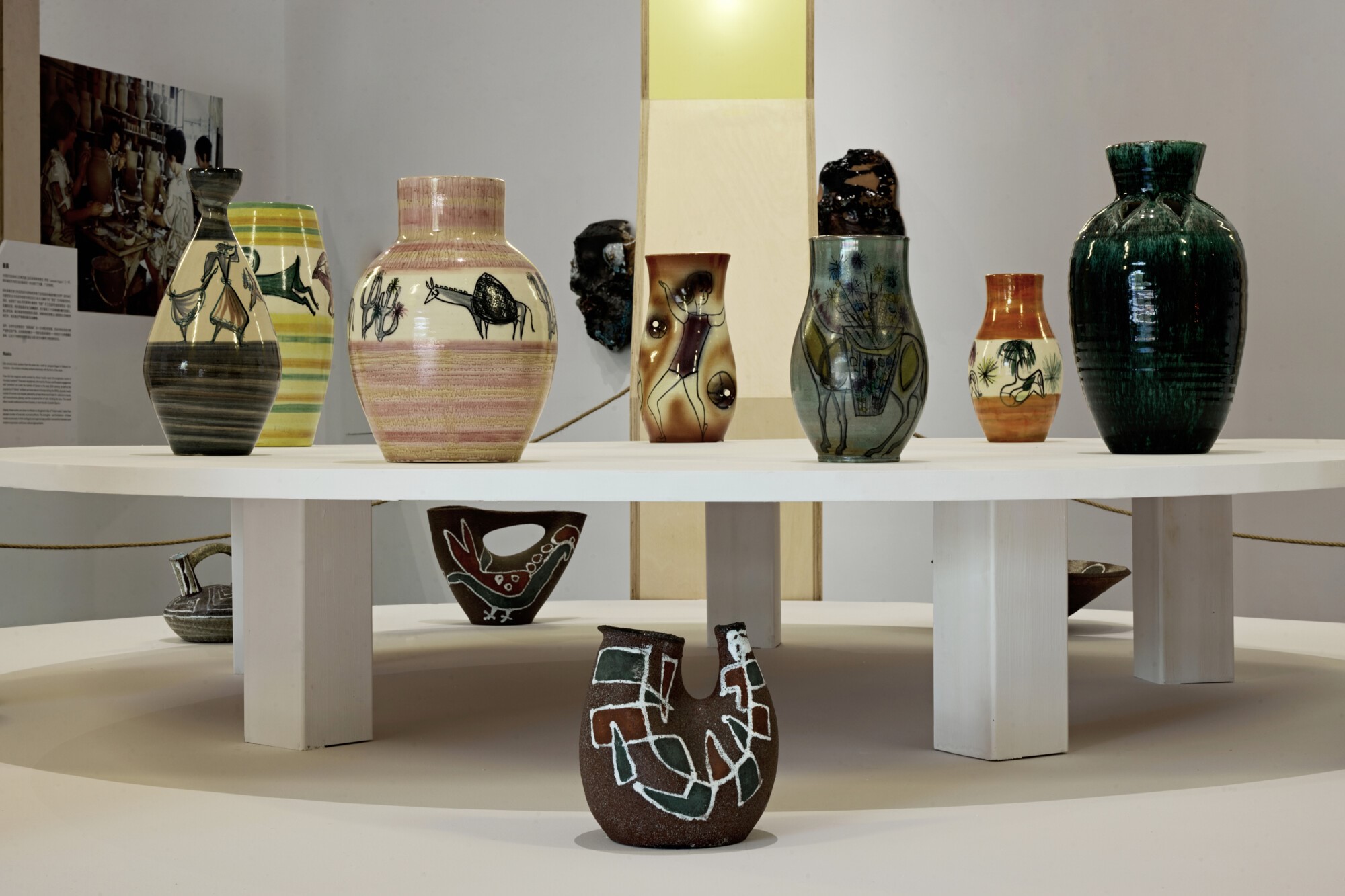
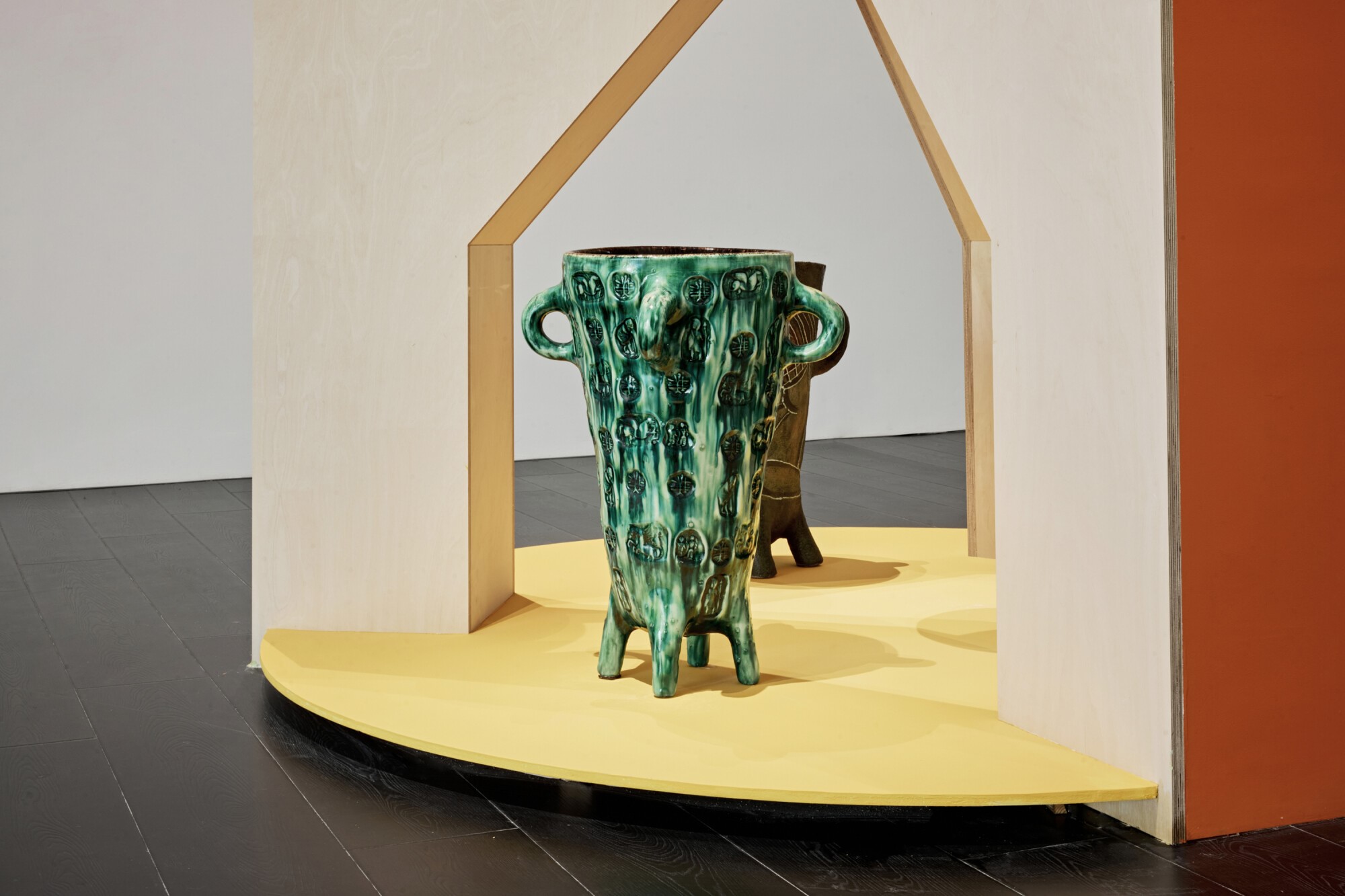
The exhibition title “Raw Modernism: Accolay Clay Today” draws on the dual resonance of “raw.” On the one hand, it invokes the material transformation triggered by the kiln in the ceramic firing process—when raw clay is fired into a solid substance, completing the passage from malleable matter to enduring object. On the other hand, “raw” evokes an autodidactic modernism, a mode of artistic production in which the Accolay potters, working outside academic systems, drew imagery and forms from mass media and popular magazines, developing a distinctive visual language through a sustained absorption of novelty, abstract art, and popular culture. Moving fluidly between art, craft, and design and rooted in popular imagery and material experimentation, this practice shaped the “raw modernism” that has come to define Accolay ceramics. Building around this concept, the exhibition juxtaposes two modes of ceramic practice: the Accolay workshop, characterized by anonymously produced everyday, typified objects ranging from vases and lamps to masks, and animal figures; and contemporary ceramic practices by artists from diverse cultural contexts that which extend the boundaries of the medium, probing its possibilities across different materials and forms.
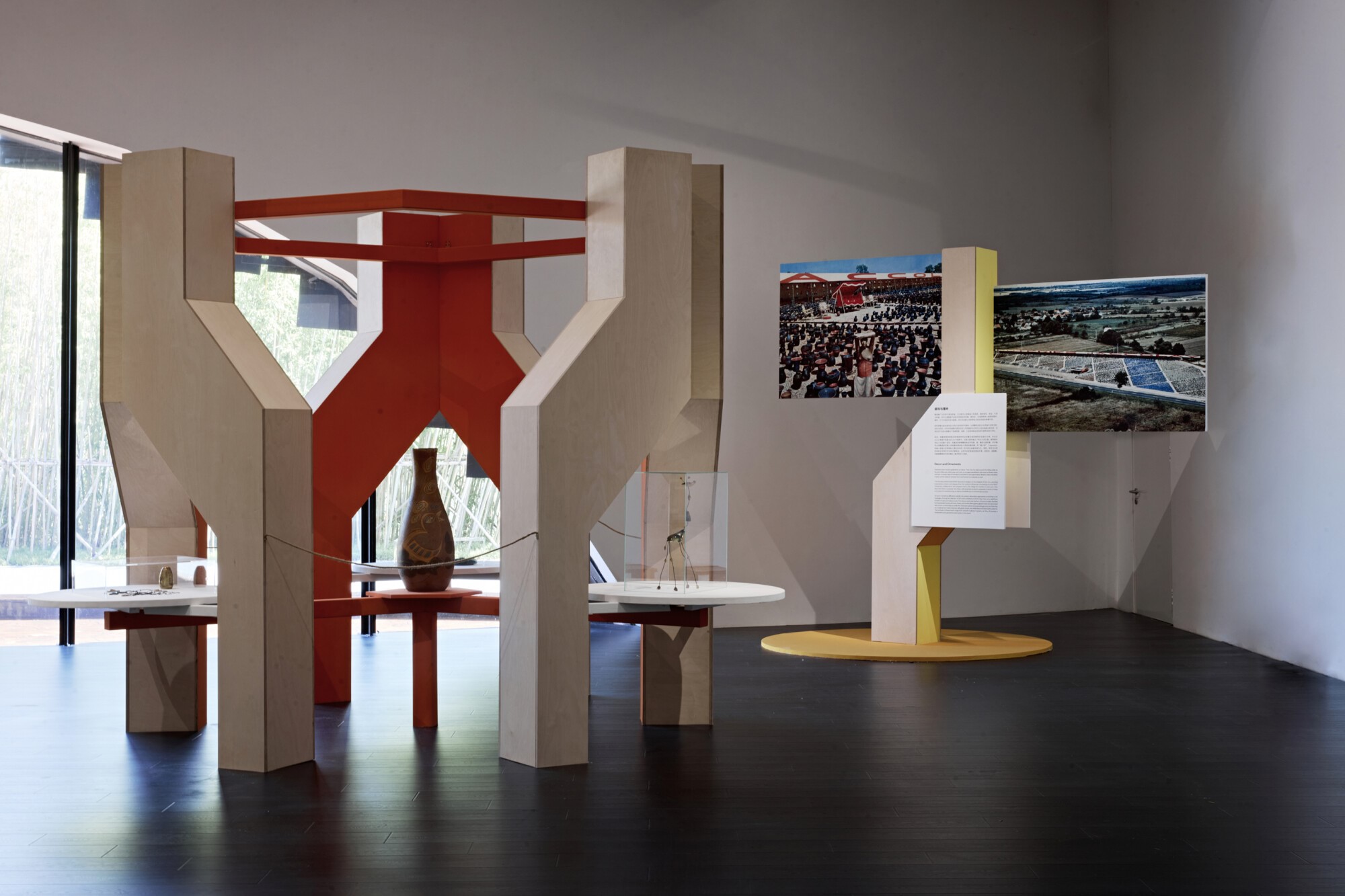
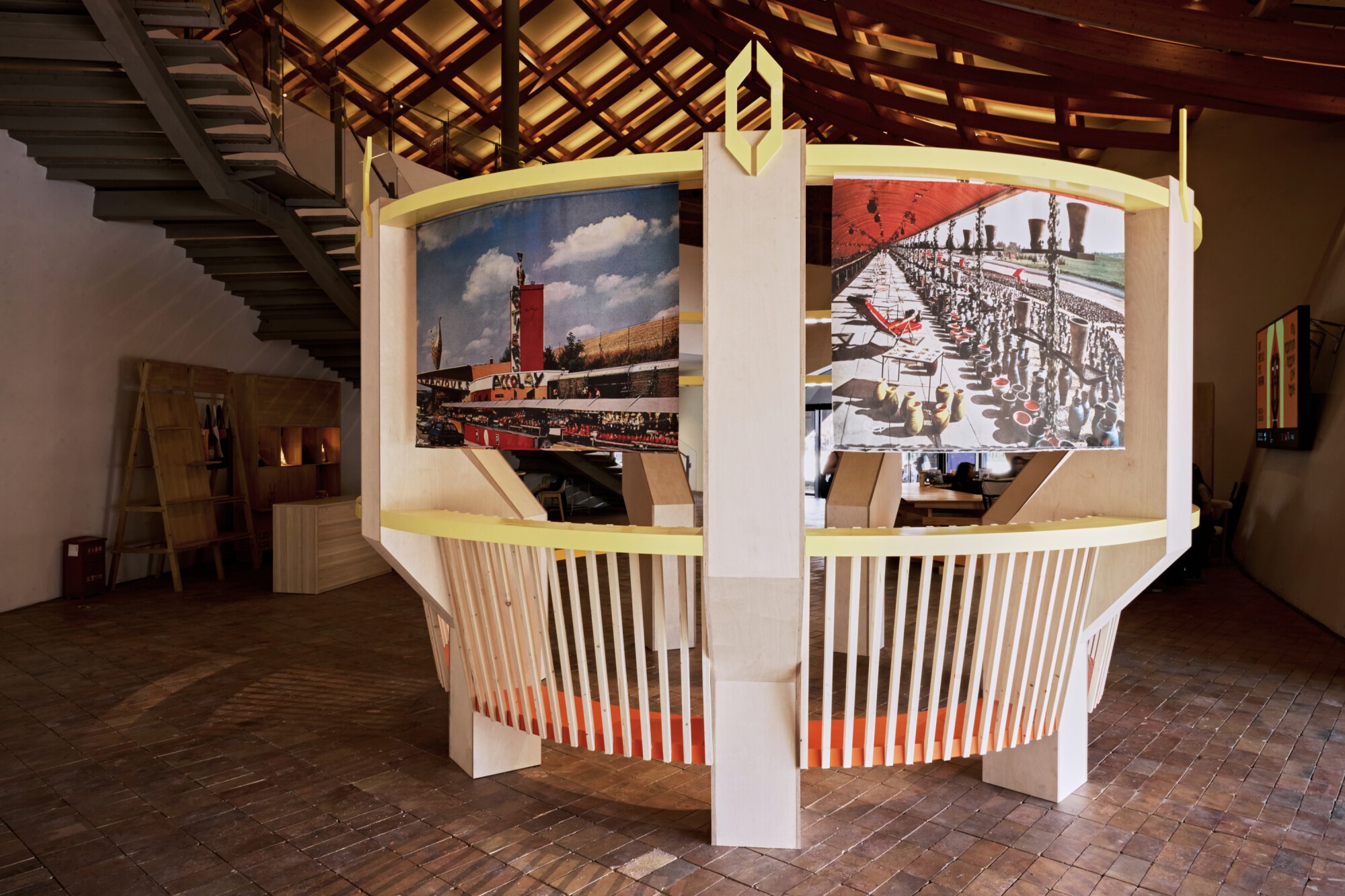
Accolay ceramics emerged during postwar reconstruction in Europe. At the end of World War II, a small group of young Parisians left the city for the village of Accolay, near Vermenton in northern Burgundy, where they established a pottery studio on the banks of the Cure river. Operating a gas station and ceramic production workshop side by side, they developed a model of collective practice that combined living, production, and sales. Their works were completed in the workshop and then sold directly at the gas station, embedding ceramic practice in everyday circulation and the local economic system. The practice is characterized by collective production, all works were uniformly signed “Accolay” to minimize individual authorship, while drawing largely on visual resources such as popular magazines. Under low-cost, efficient conditions, the production embraced its commercial nature with an experimental spirit.
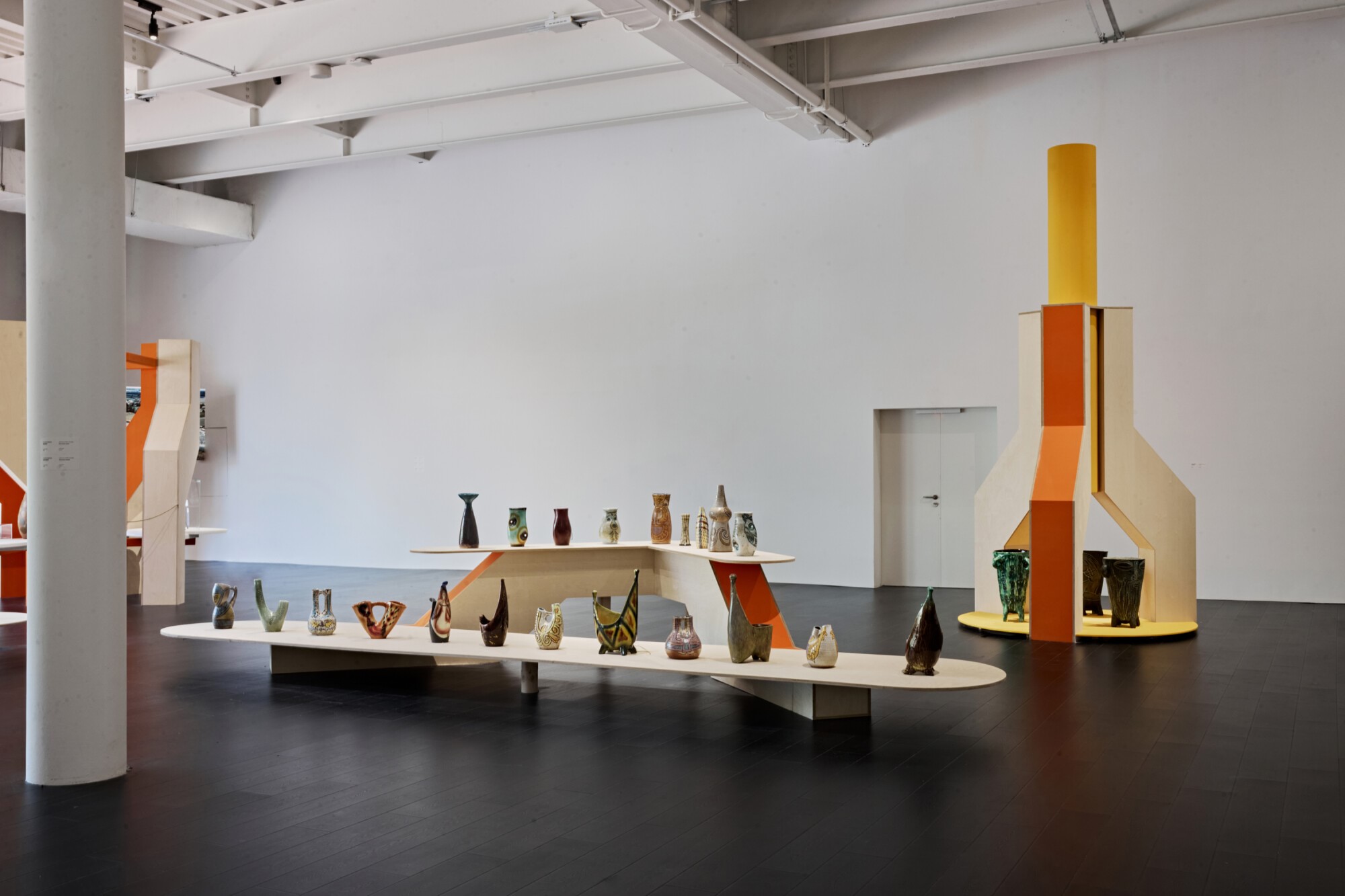
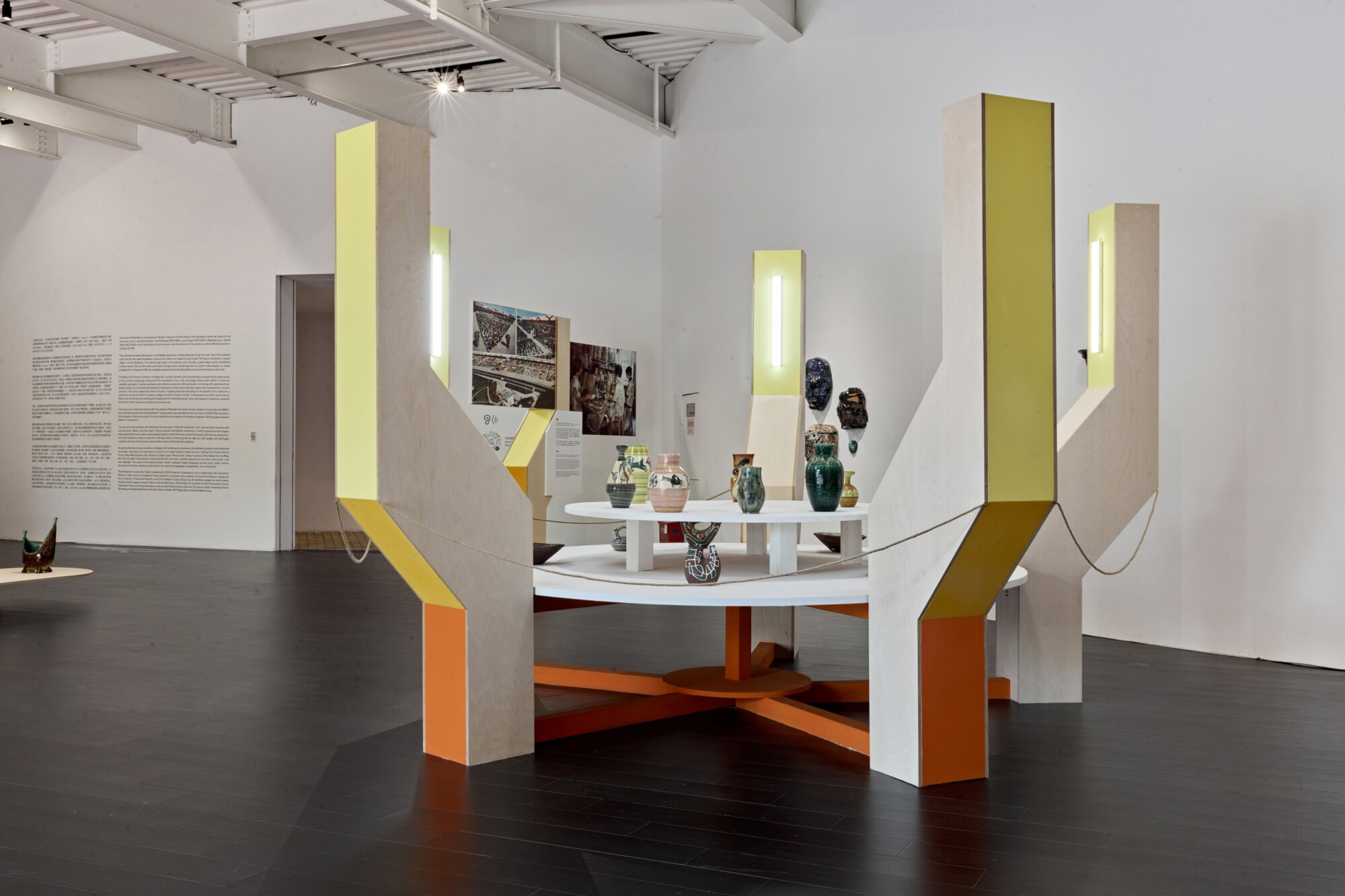
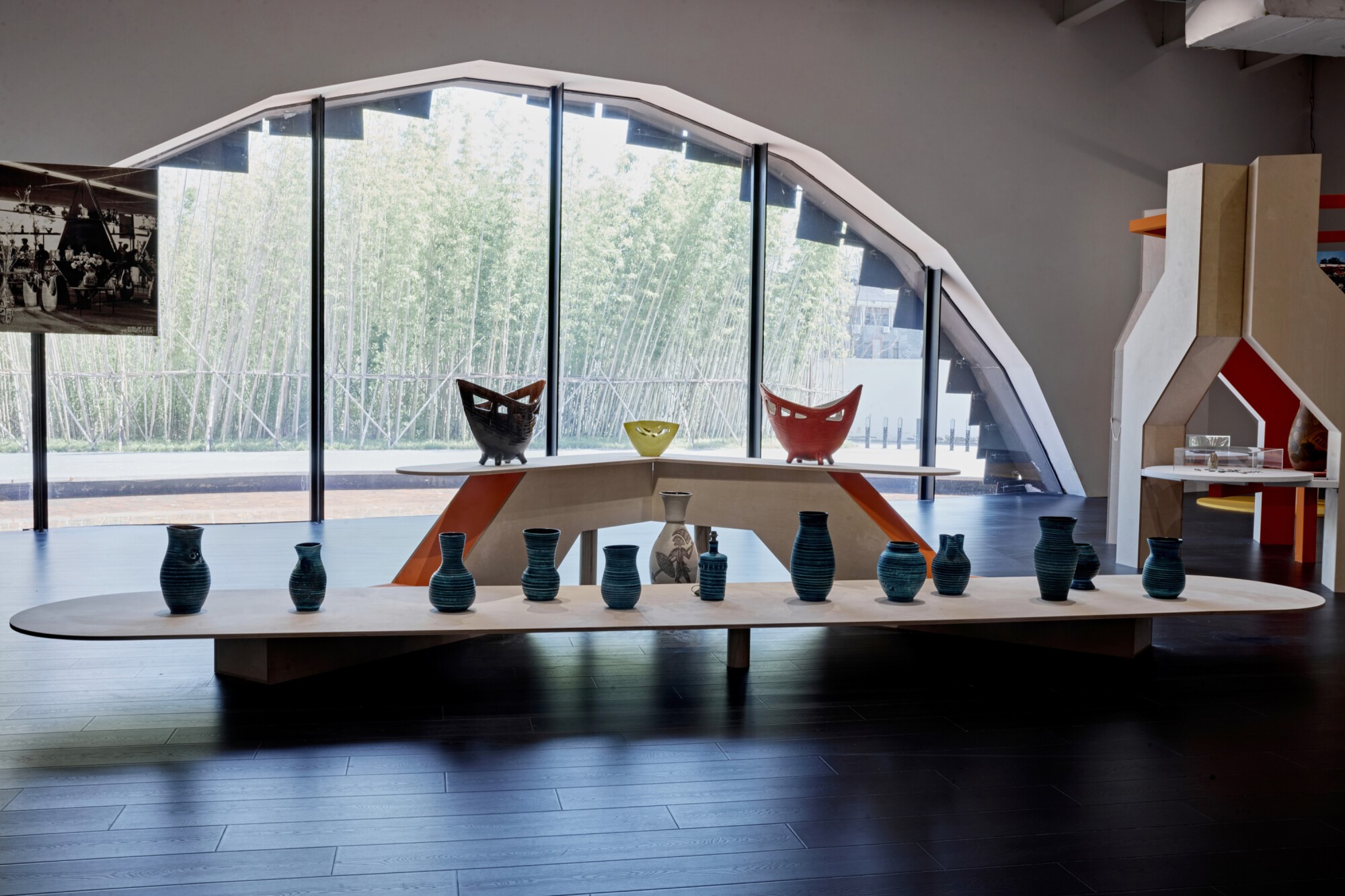
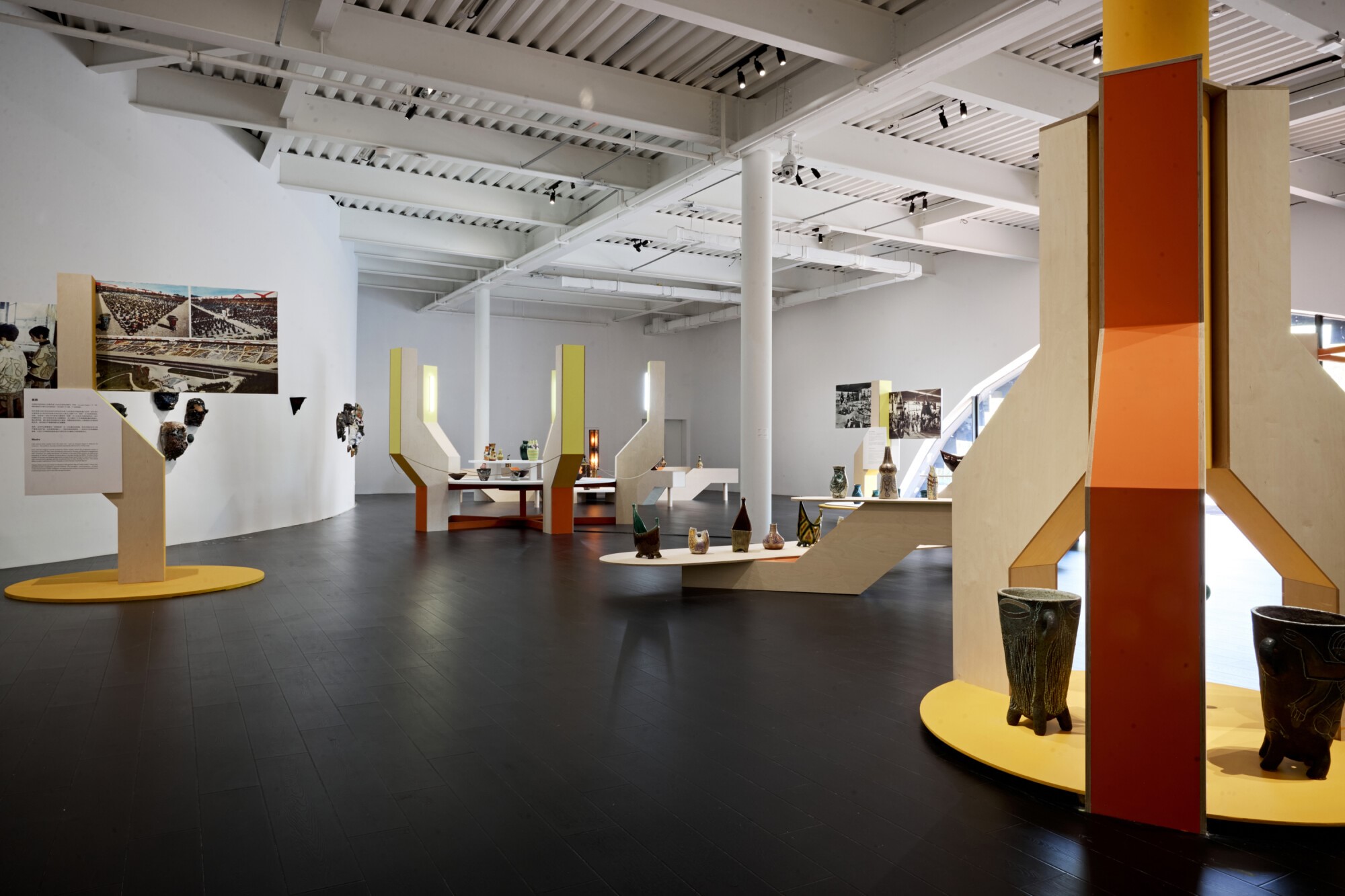
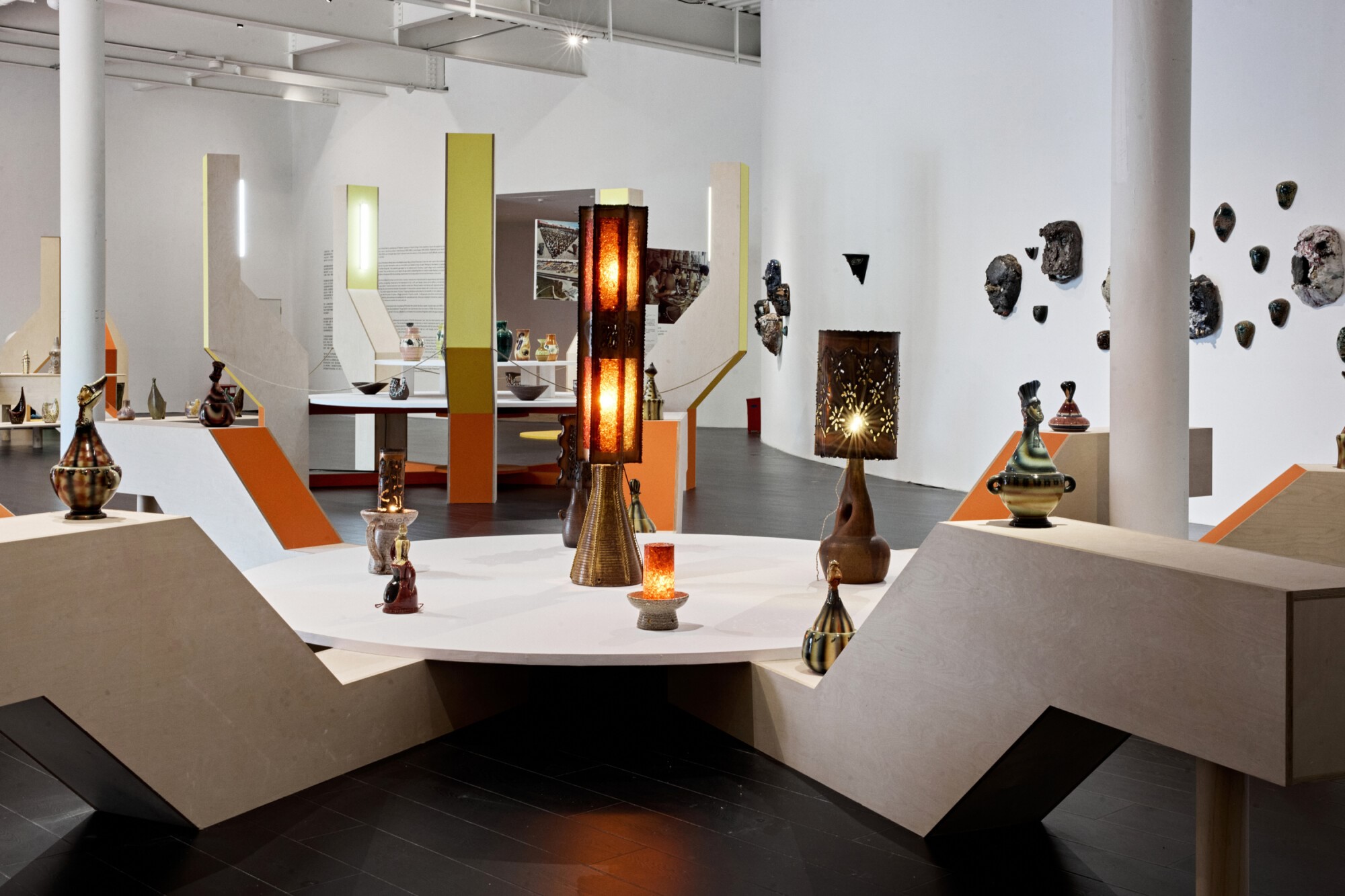
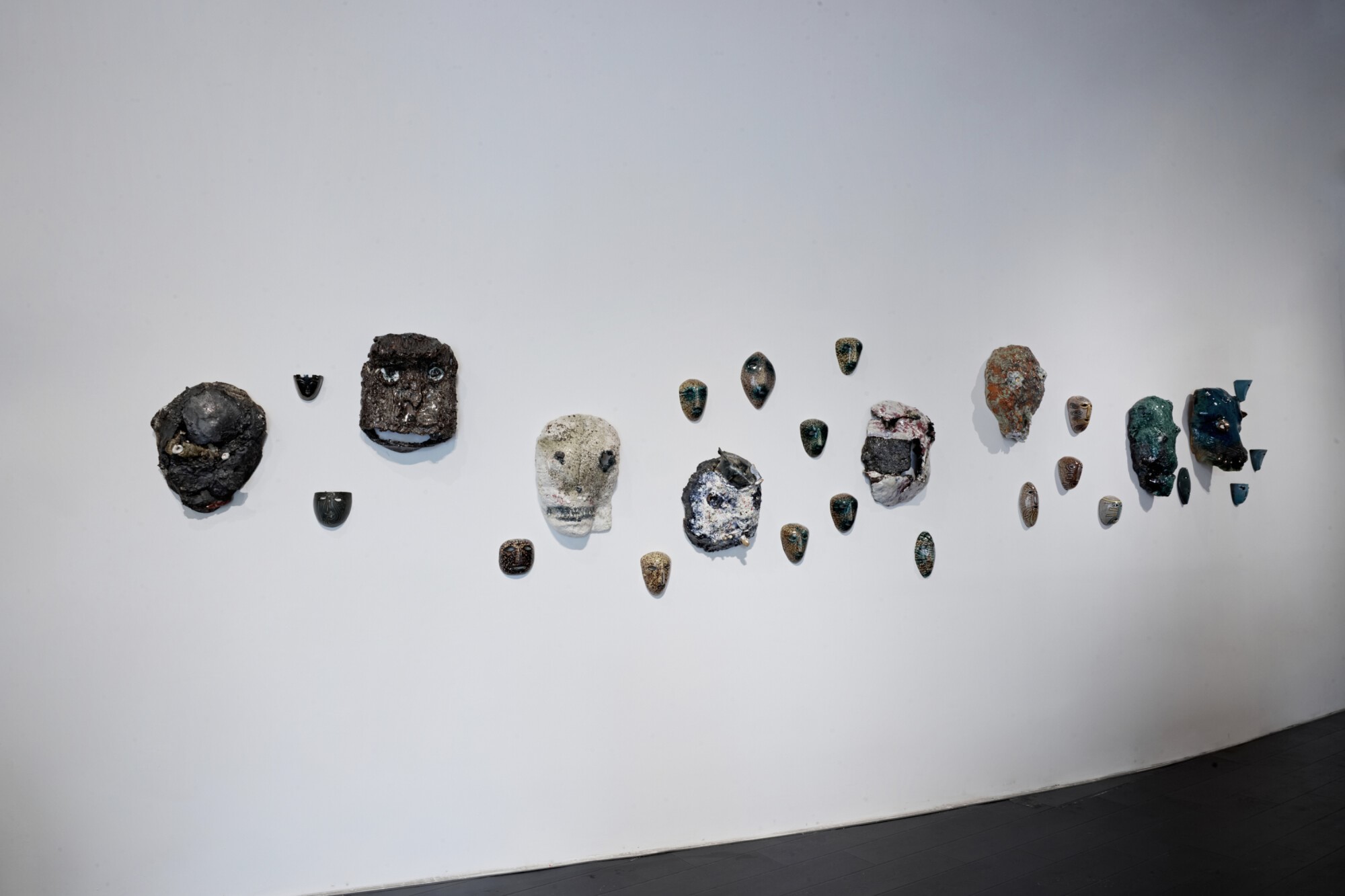
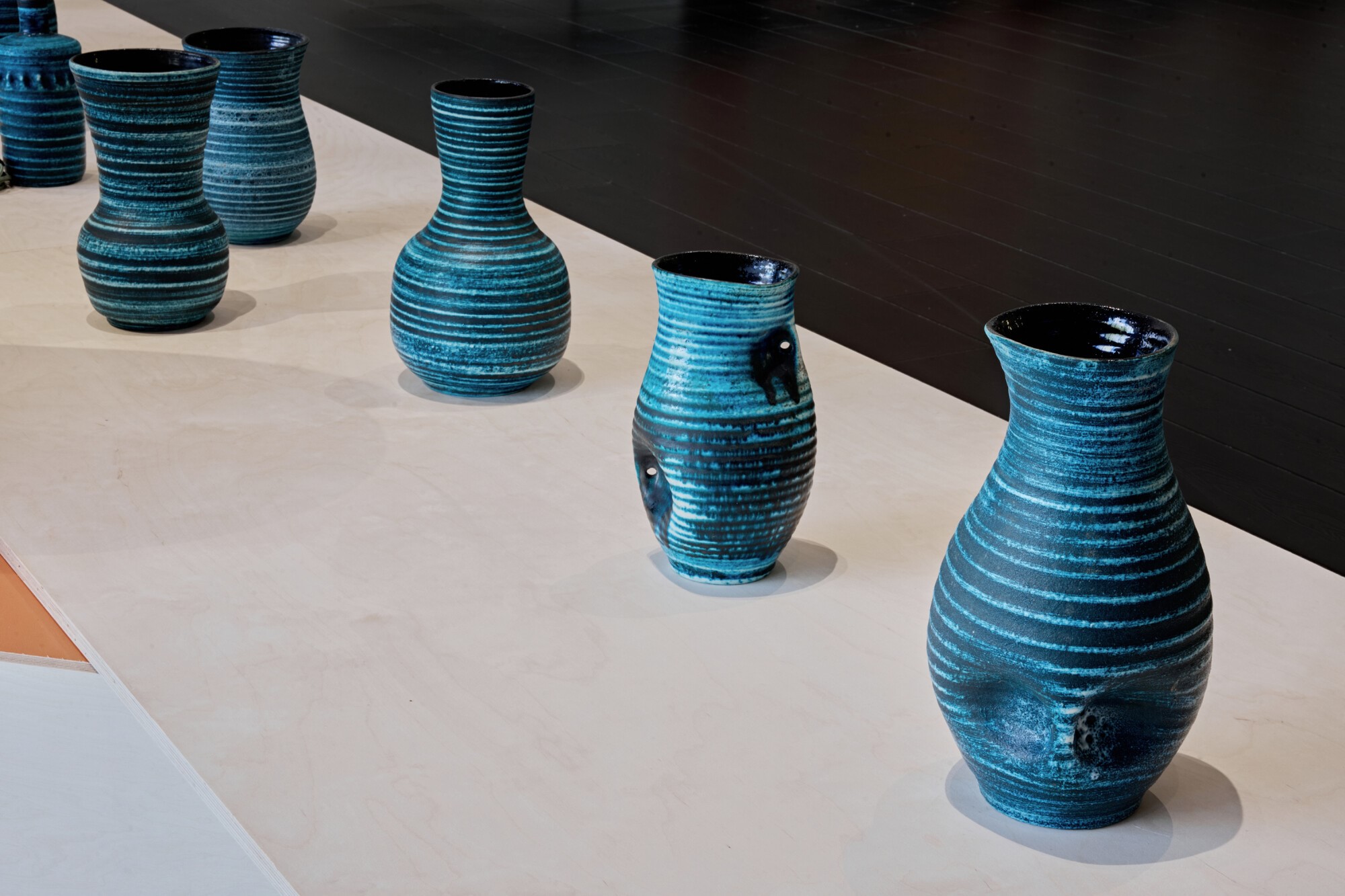
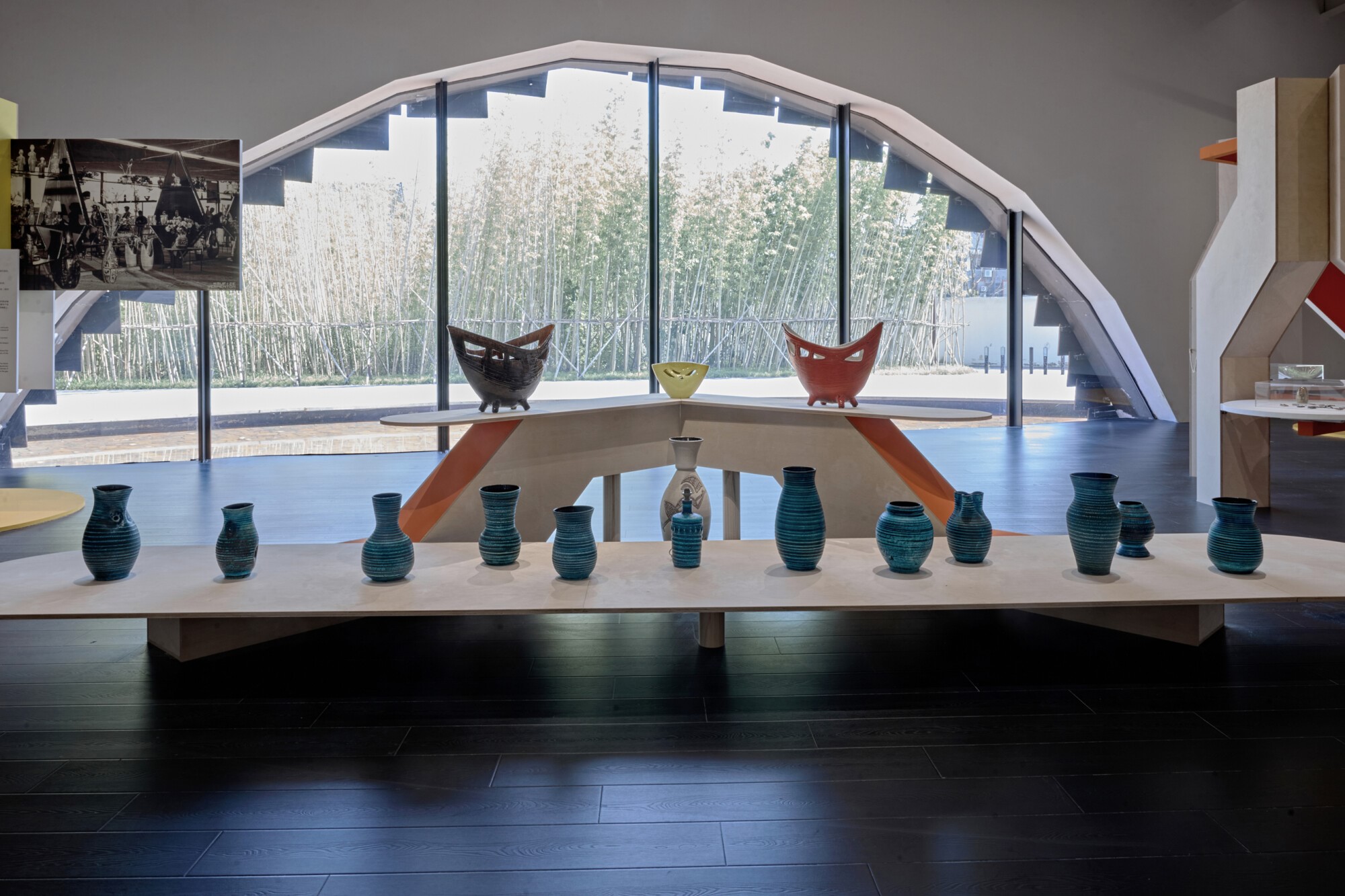
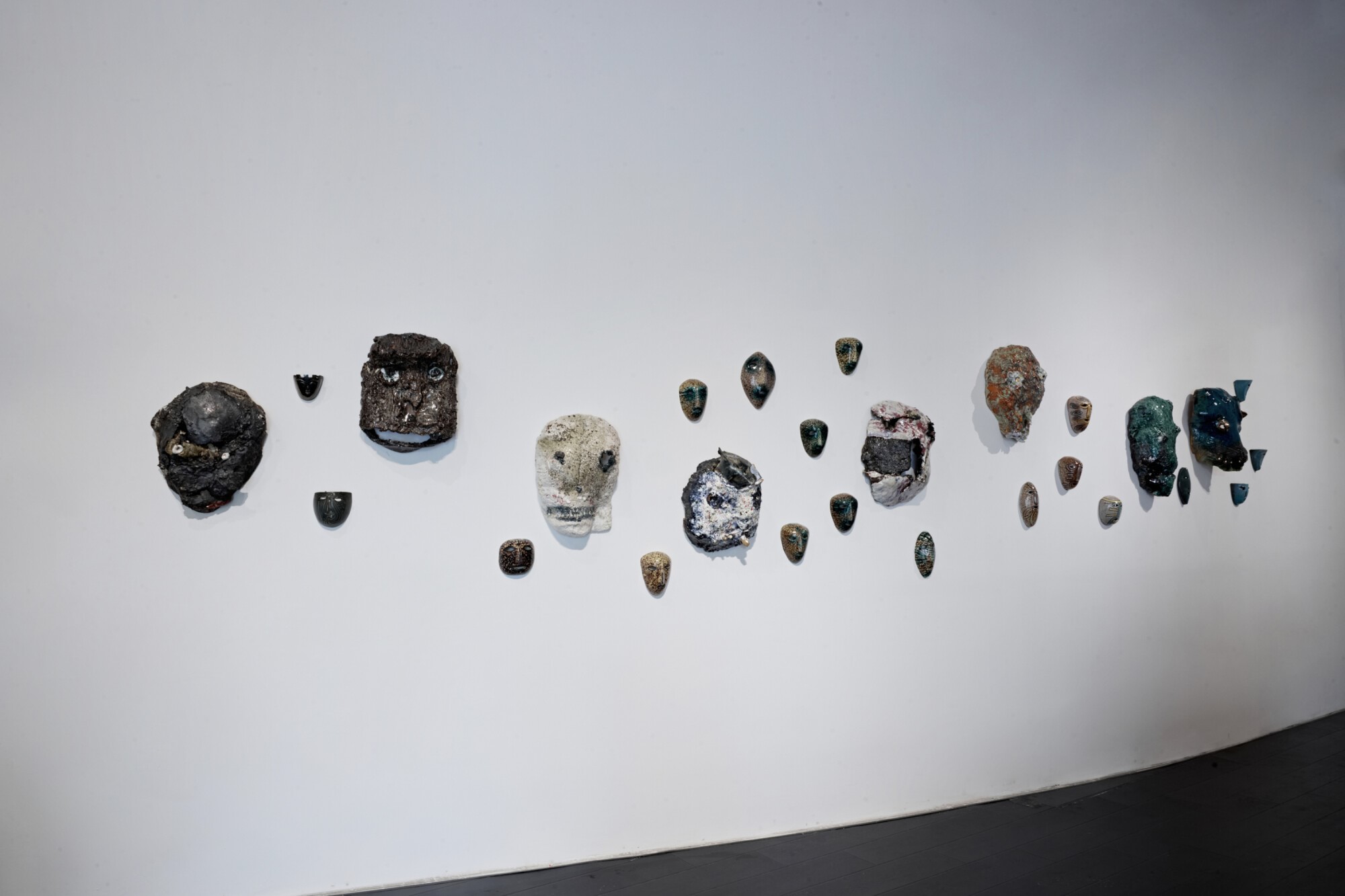
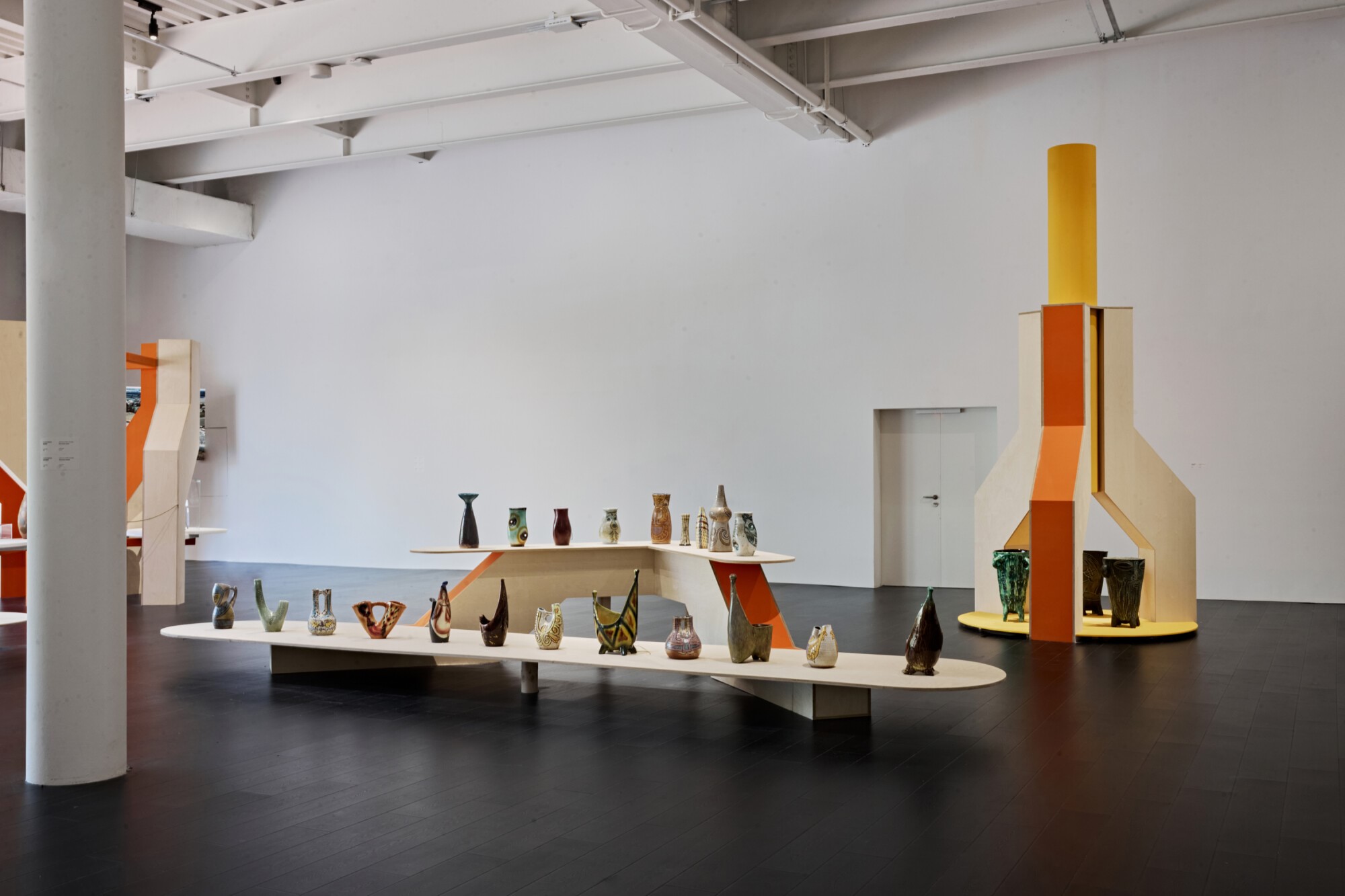
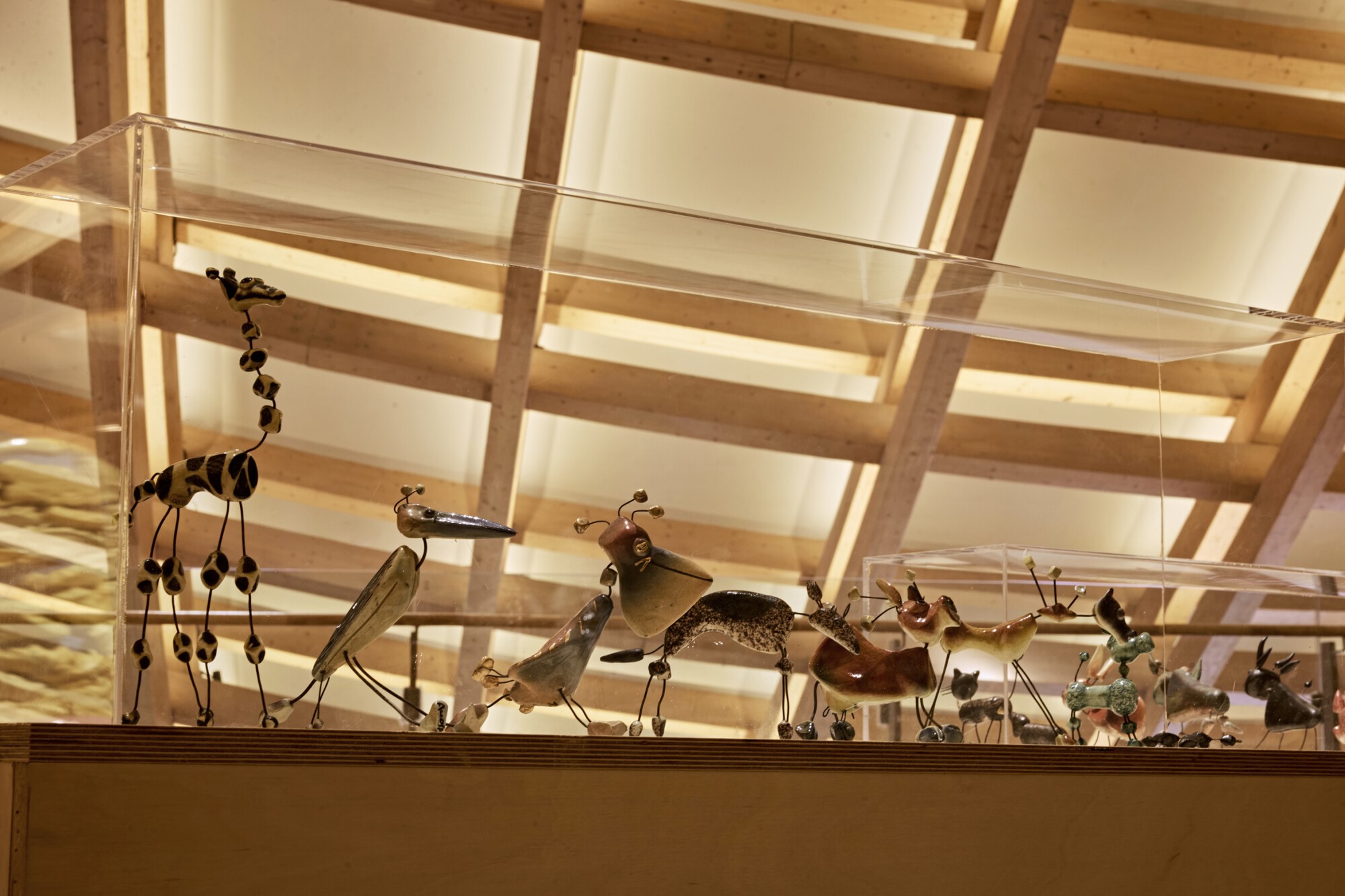
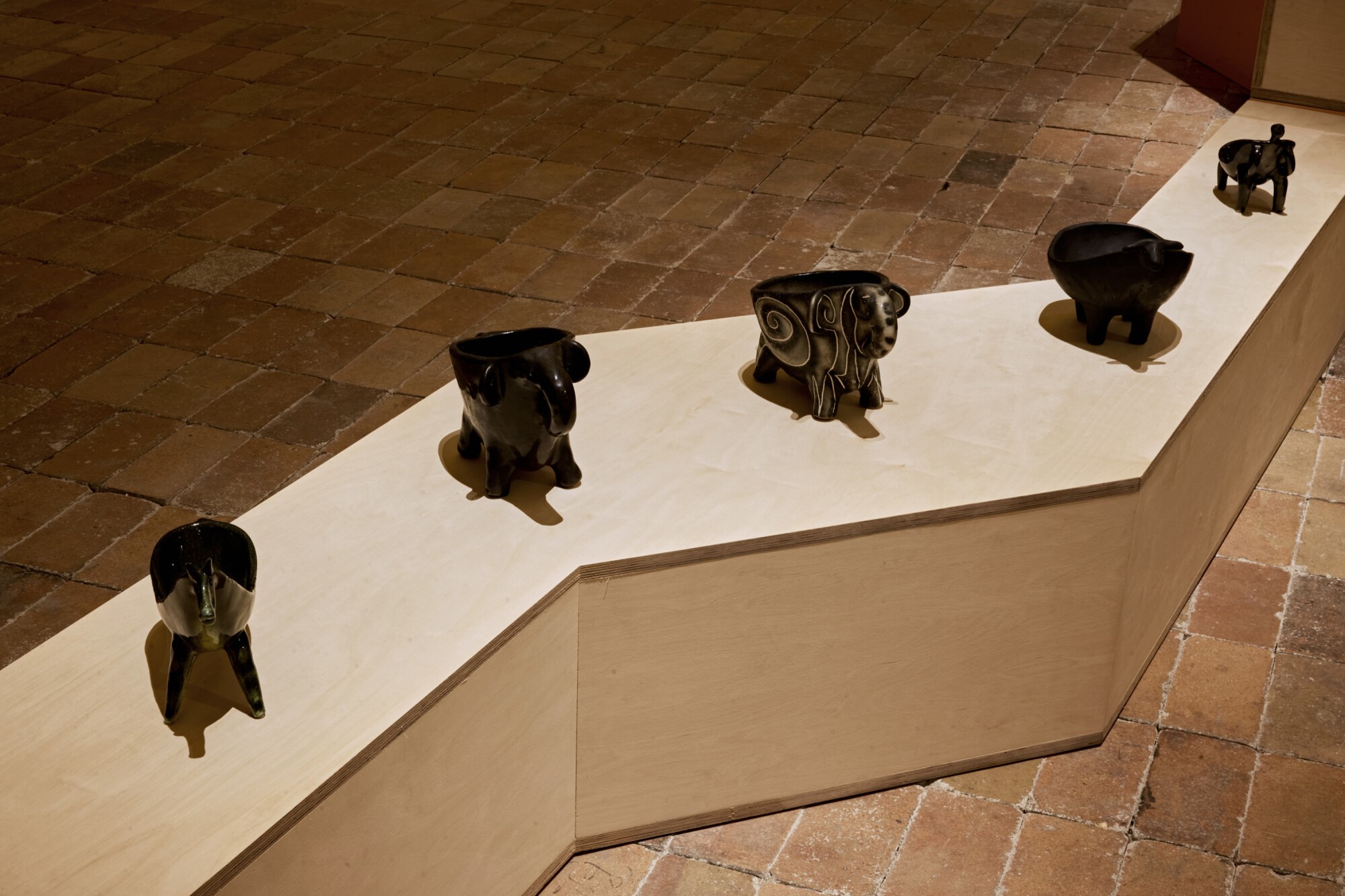
The Accolay ceramics presented in this exhibition span different phases of the workshop’s production and practice, encompassing a wide range of functional vessels. Among them, the “Gauloise” blue vase series—named after a popular French dark tobacco cigarette brand—is considered as a quintessential Accolay creation, distinguished by its blue glazes and white horizontal rings. The “Masks” series combines modernist influences across cultures, offering imaginative evocations of tribal masks rather than deliberate reproductions of any single source. Depicting a bestiary of familiar domestic pets and exotic creatures alike, the sculptures in the “Animals” series is made from glazed ceramic balls and NiCrAl wire, an alloy of nickel and chromium. By foregrounding these historical works, the exhibition reintroduces Accolay’s collective production model and its diverse visual language, situating them in dialogue with contemporary ceramic practices.
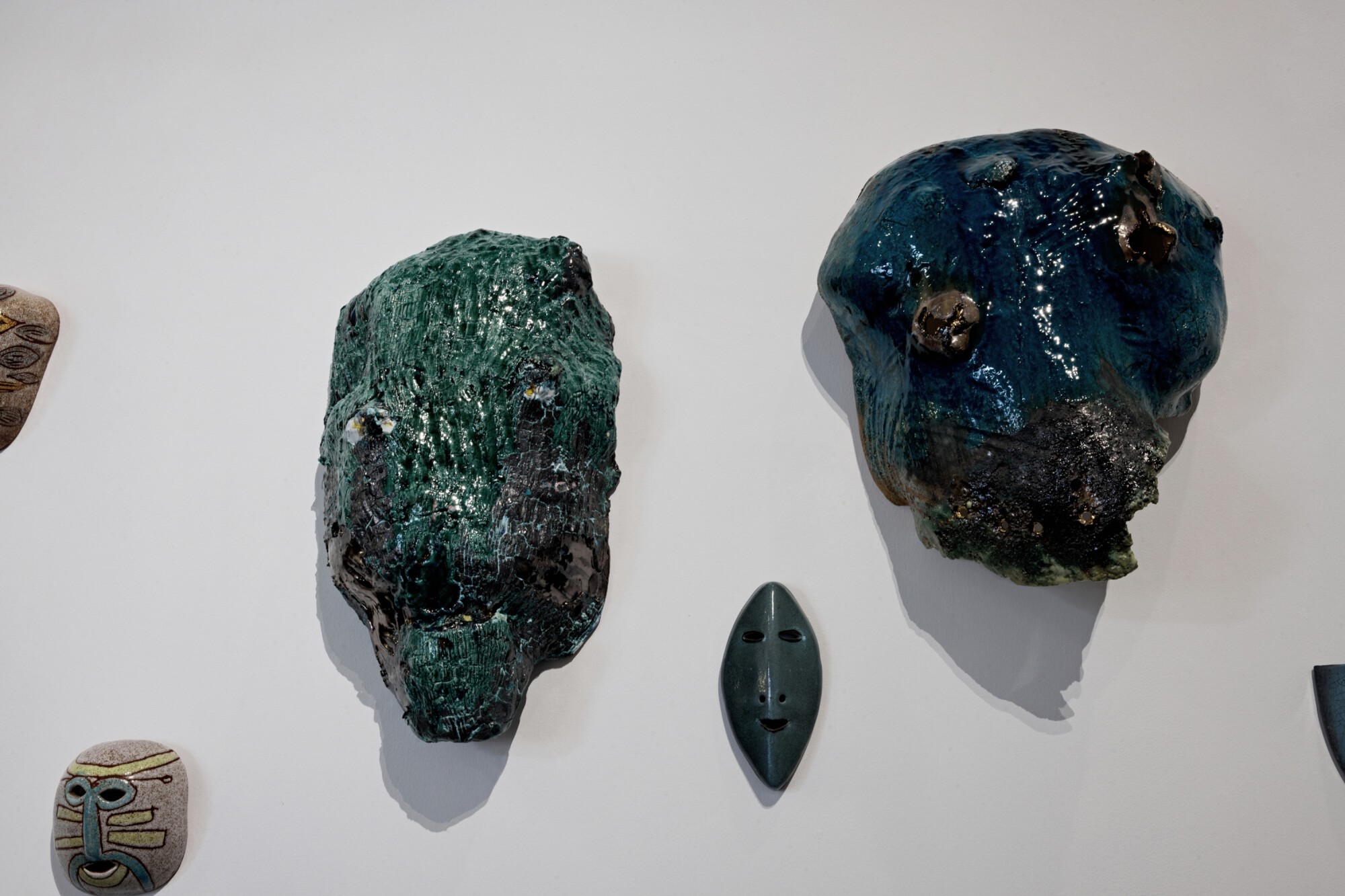
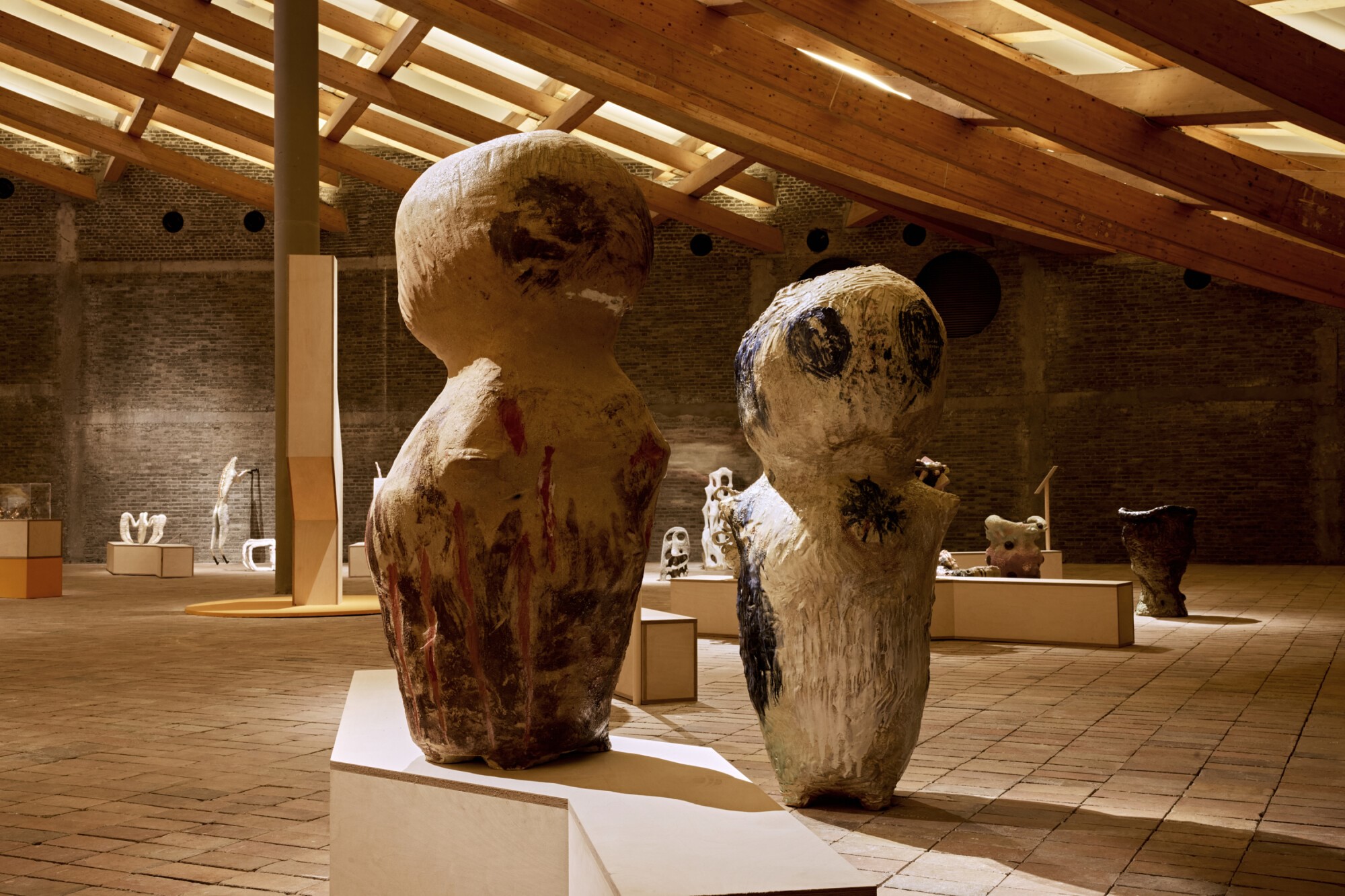
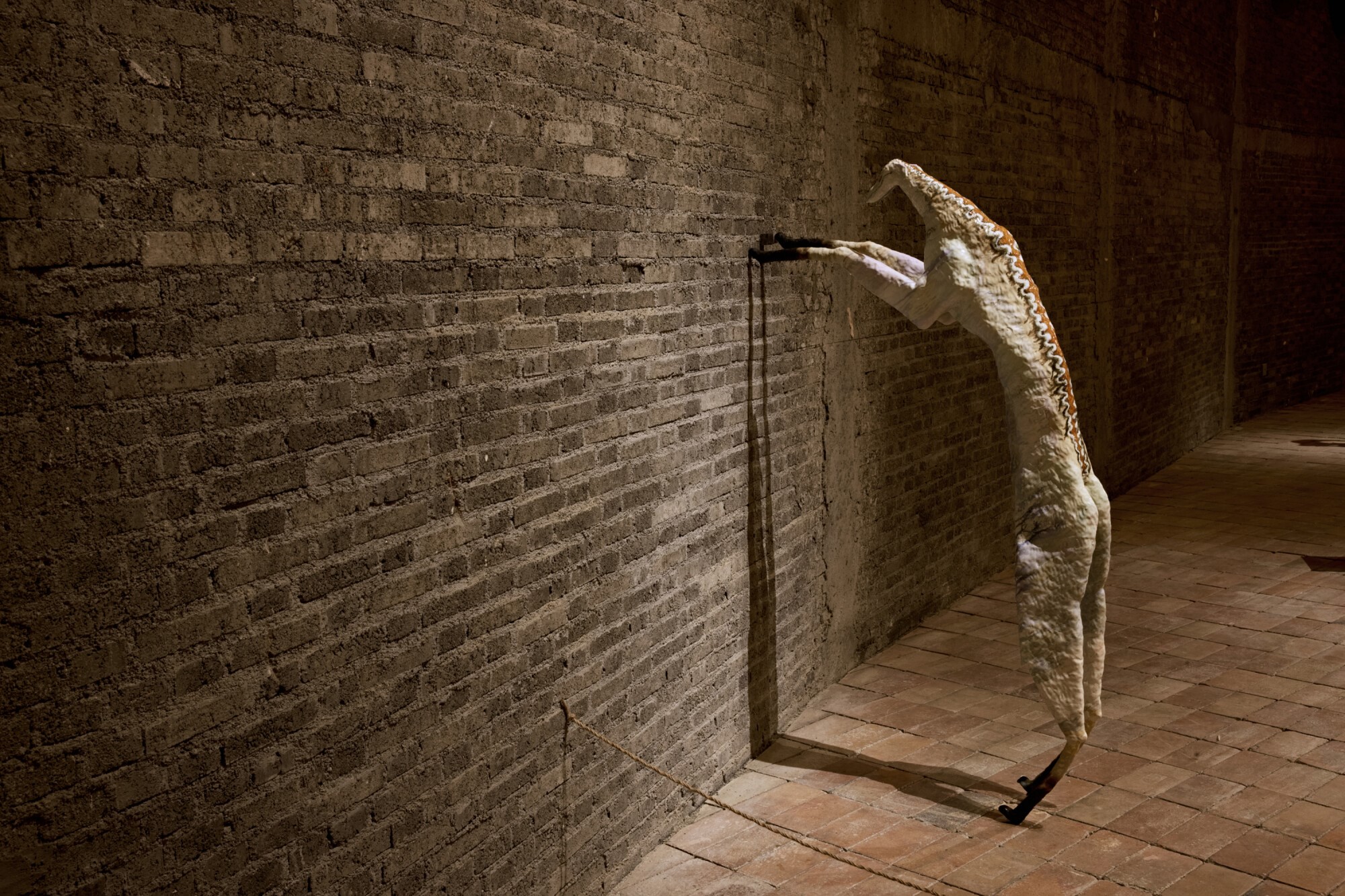
More than a single-track response to Accolay ceramics, the works of eight contemporary artists approach ceramics as a medium for ongoing generation and experimentation, allowing it to shift fluidly between function, sculpture, narrative, and concept. In doing so, they sustain a dialogue with the open-ended creative spirit of Accolay across space and time. Coming from a family of ceramists, Nitsa Meletopoulos grounds her practice in everyday objects such as tableware and vases. Integrating sculptural compositions with elements of pop culture, her work forges new relationships between utilitarian function and artistic expression. Sylvia Auvray moves between ceramics, painting, and sculpture; her sculptural works and nearly life-sized masks weave together references to tribal culture, witchcraft, and tutelary myths, echoing Accolay’s “Masks” series from another spatial-temporal vantage.
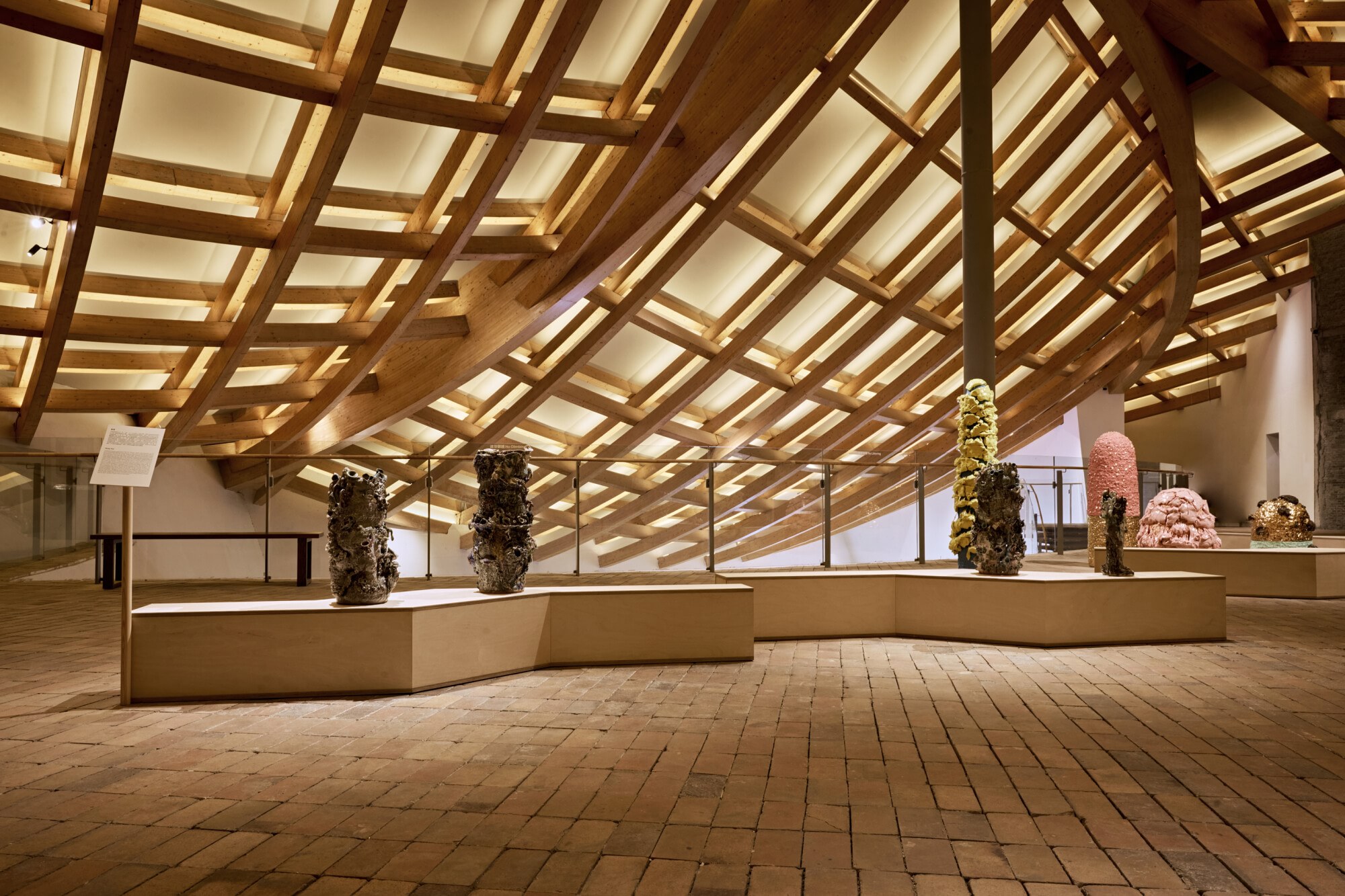
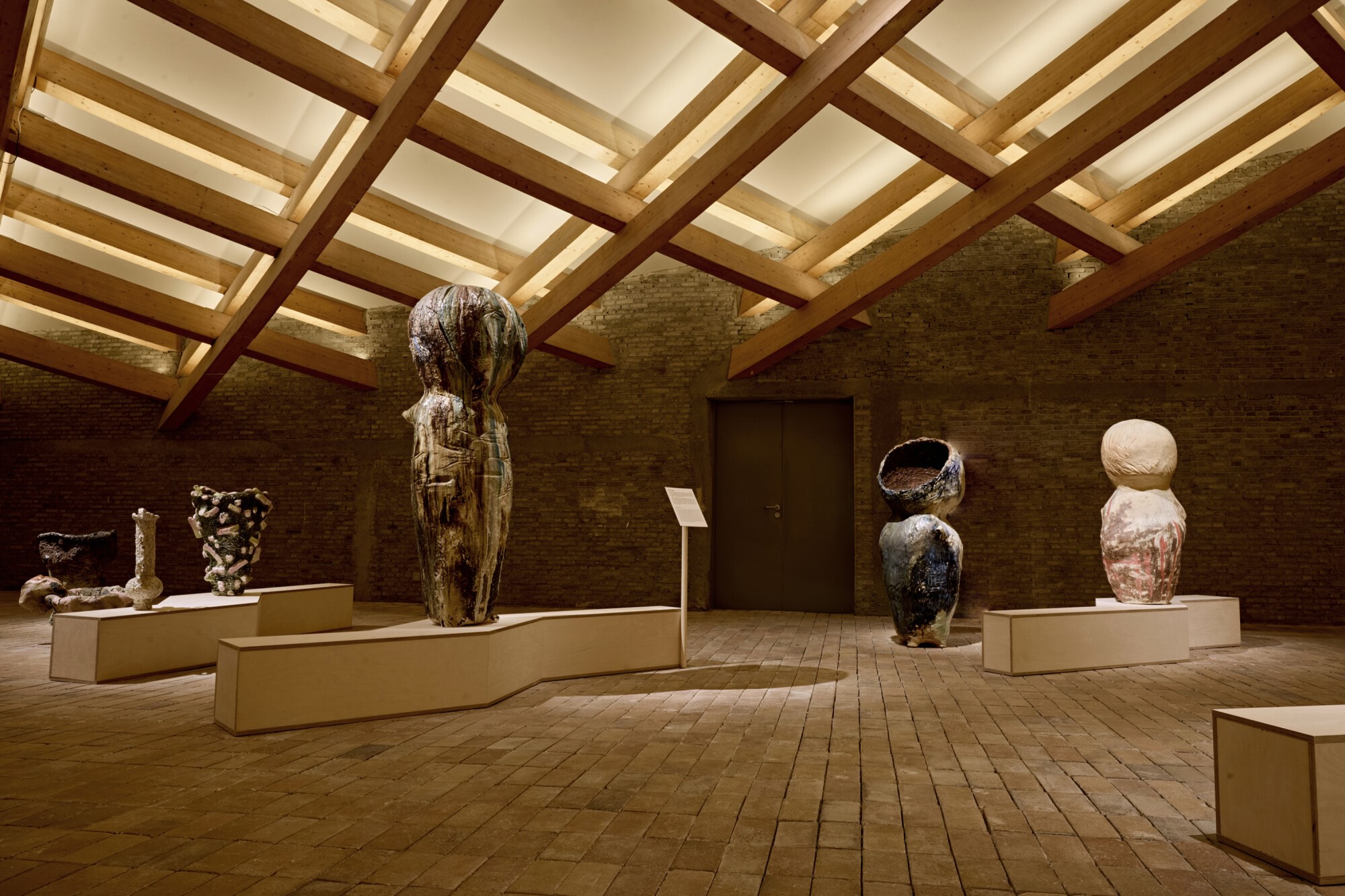
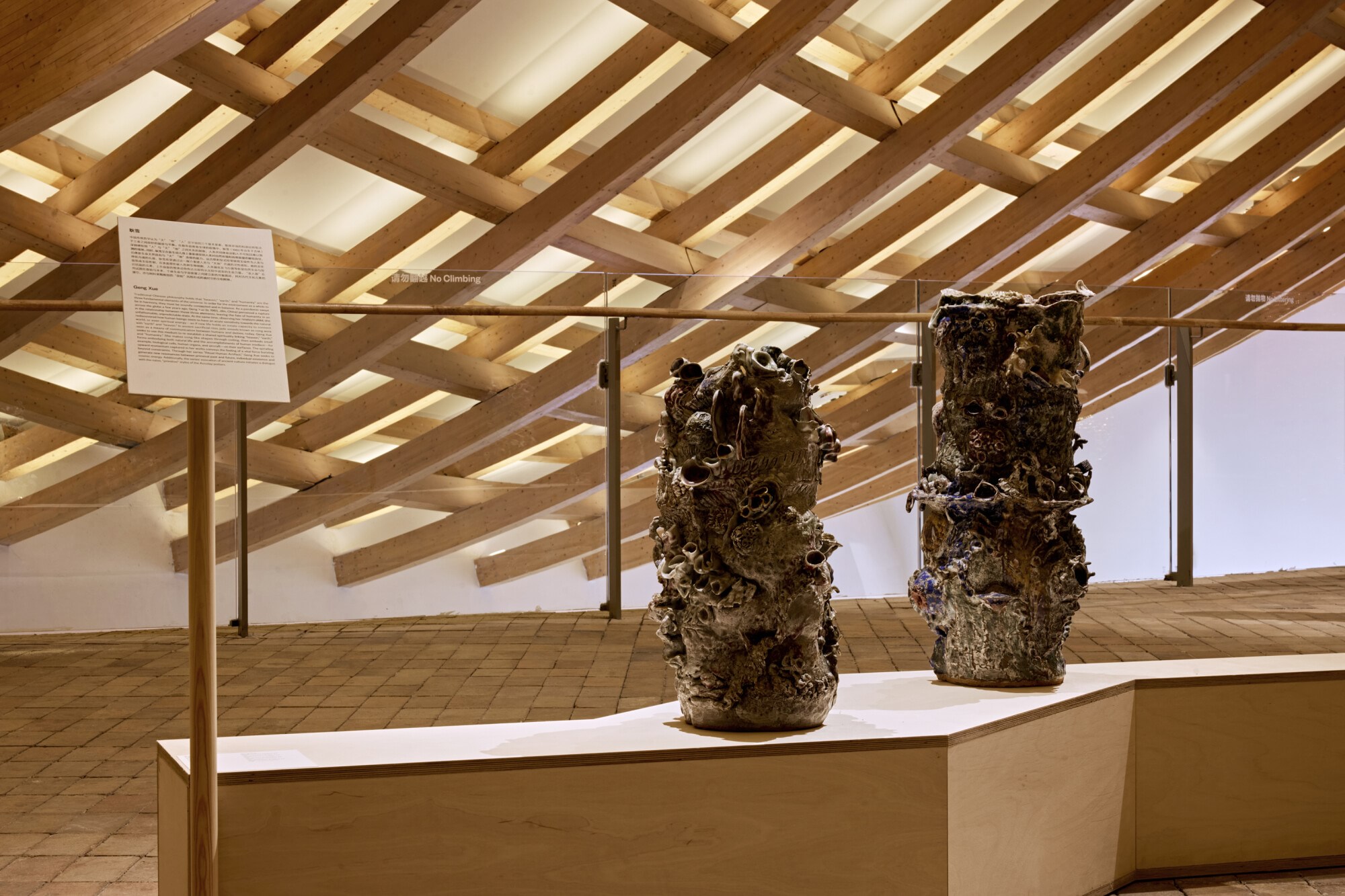
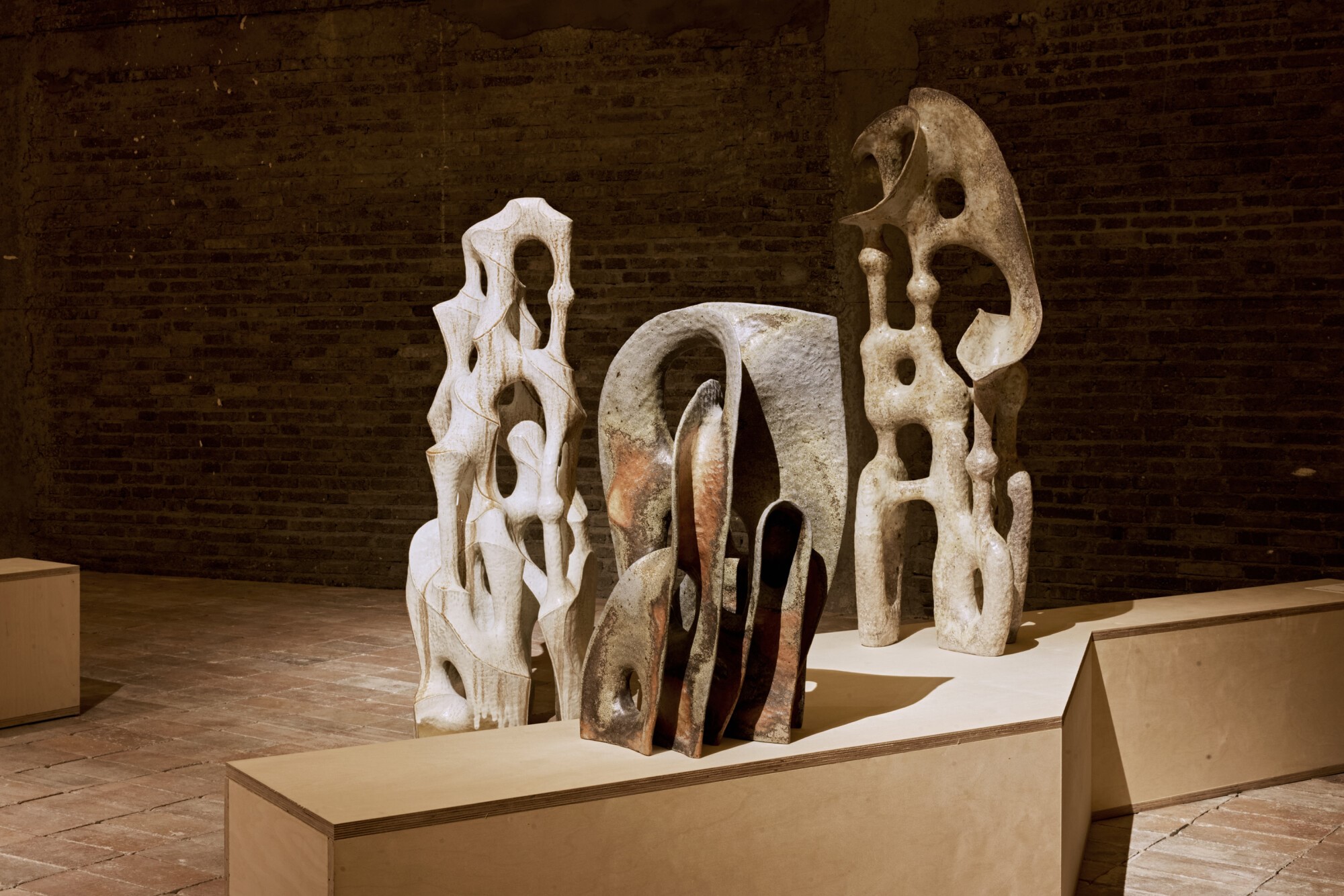
Drawing on the ancient Chinese ritual jade cong, Geng Xue’s “Ritual Human Artifact” series combines mythical narratives with individual experience in reflection on the fragility and unpredictability of life and fate during the Covid-19 pandemic. In his practice after departing from academia, Ou Ming integrates ceramics with plaster, water, evaporation, and the passage of time to create a generative mechanism for his works to evolve through continuous material transformation. Sun Yue employs fundamental ceramic techniques such as coiling to preserve the subtle variations within repetitive stacking to construct intricate structures that contain both sculptural and spatial qualities.
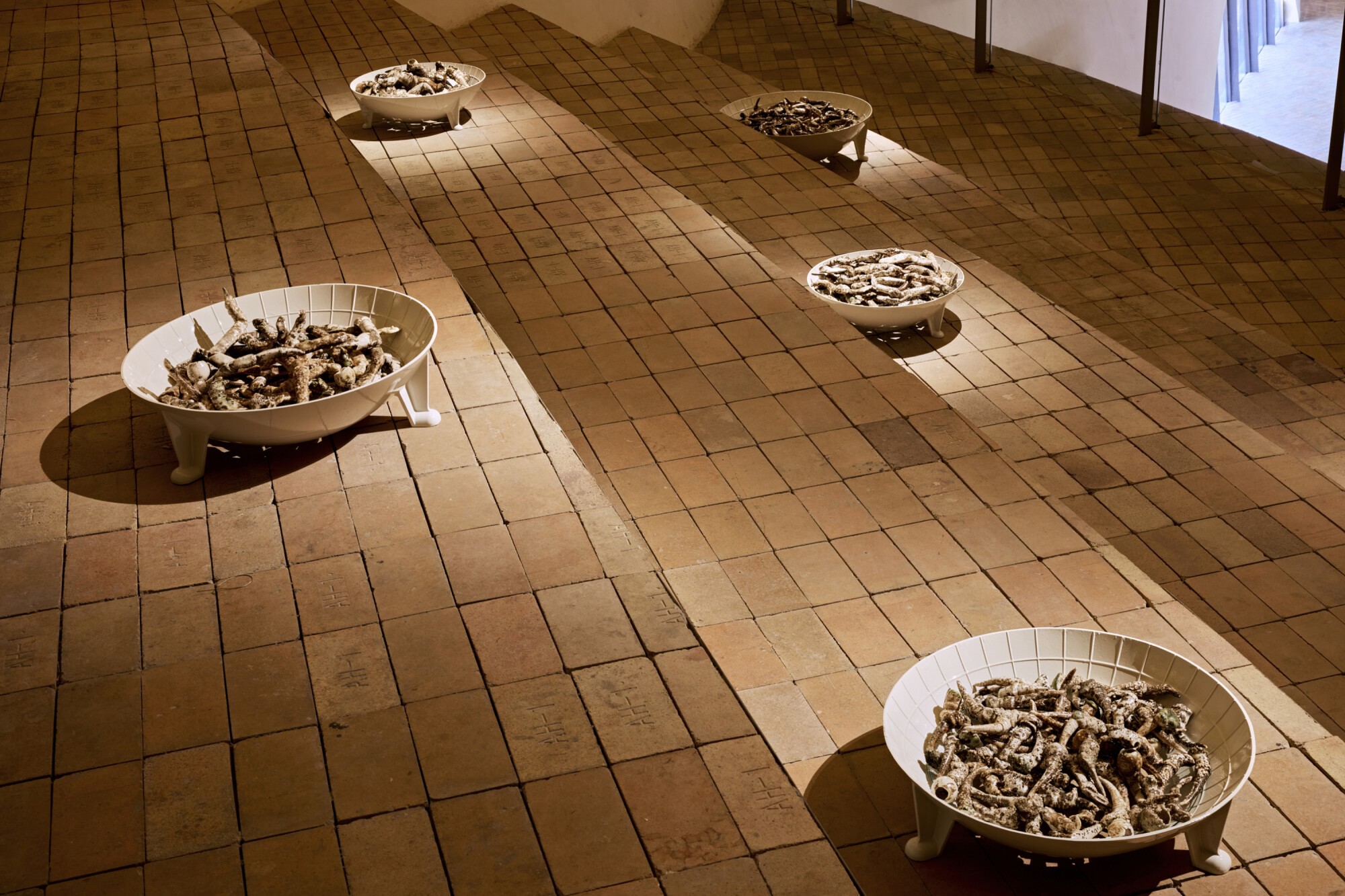
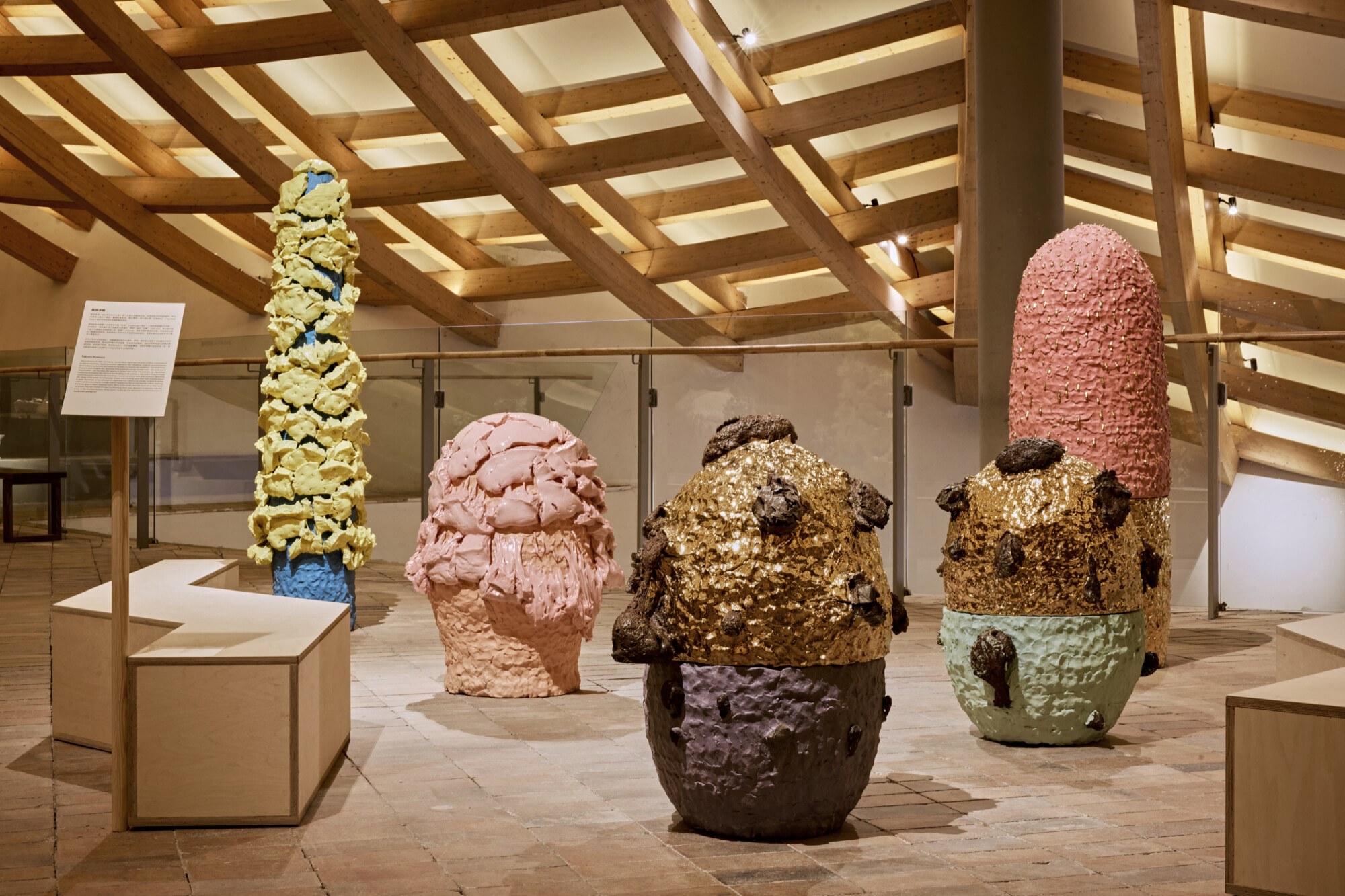
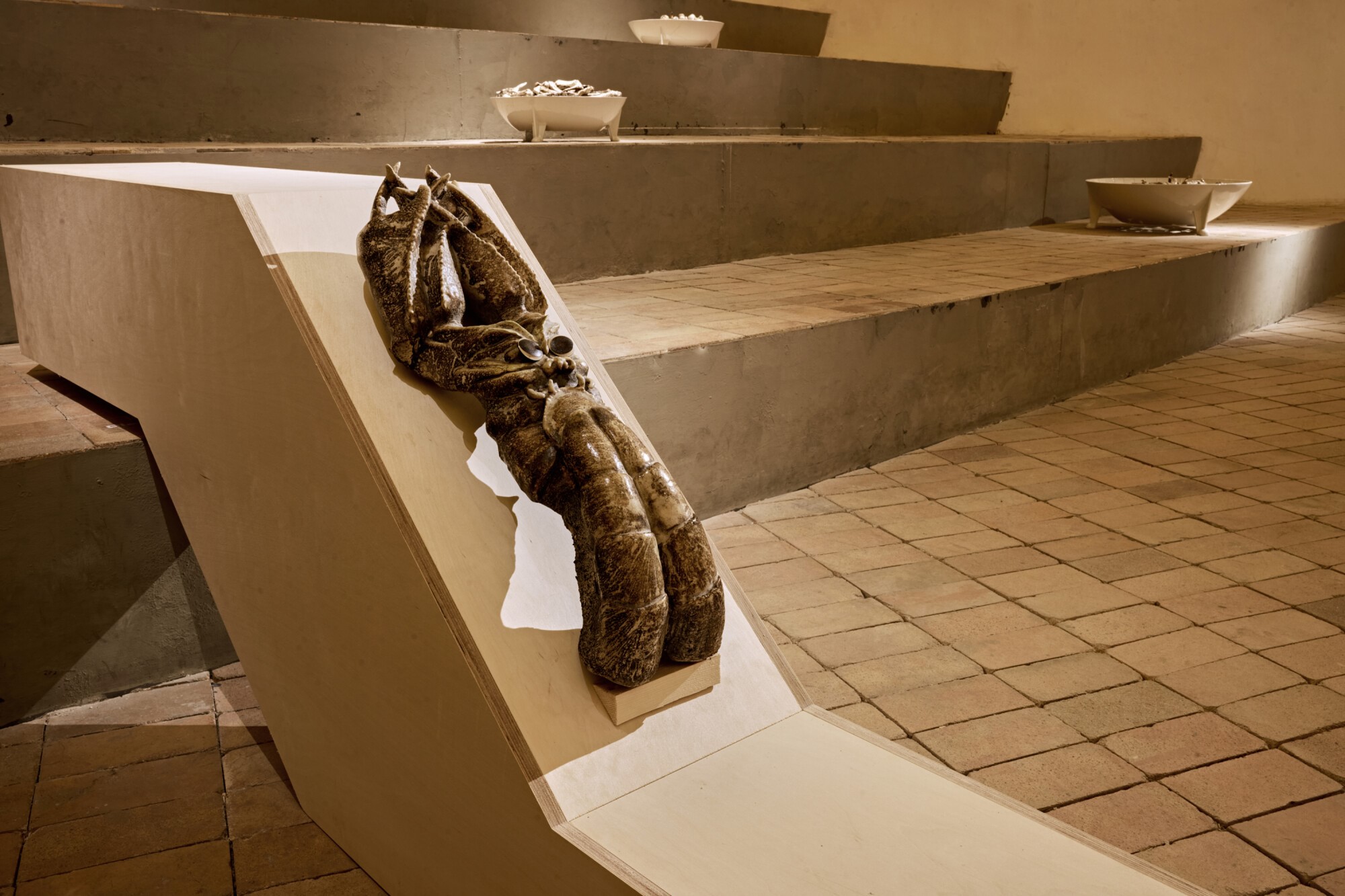
Meanwhile, Robert Cuoghi takes inspiration from the shell structures and textual characteristics of crustaceans, using glazes that reproduce the blue tones of fresh carapaces and transforming ceramics into heterogeneous forms between biological organisms and artificial creations. Rena Kudoh’s works, rooted in childhood memories of bread sculpting and personal dreams, fuse animal figures and human-animal hybrid forms into ceramic landscapes rich with narrative. Building upon traditional Japanese tea bowls, Takuto Kuawata pairs classic gold glaze and crackle techniques with a bold, contemporary palette. By enlarging the scale of the vessels and amplifying the crackle effect, she reimagines everyday teaware as contemporary artworks with a strong sculptural presence.
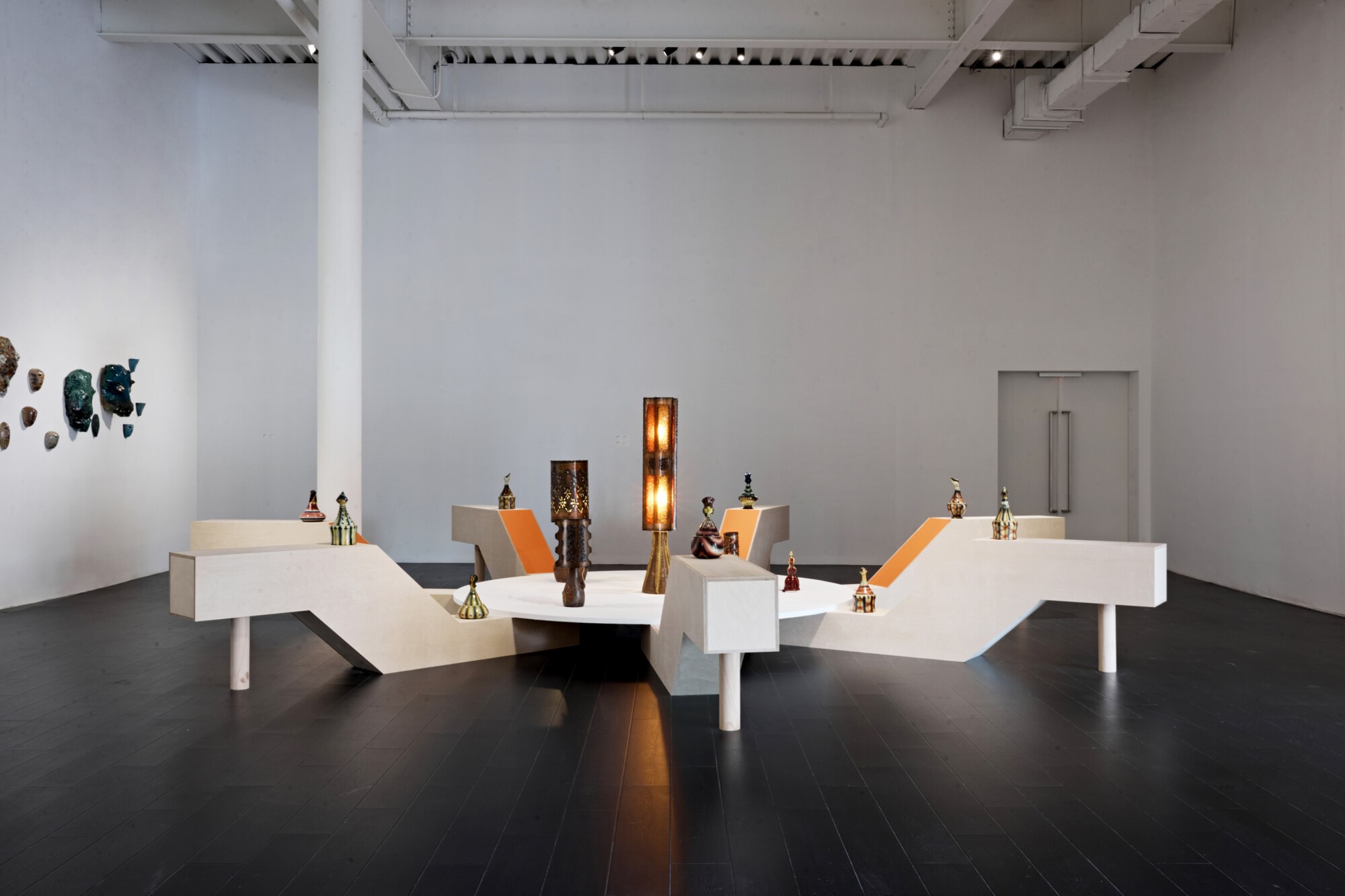
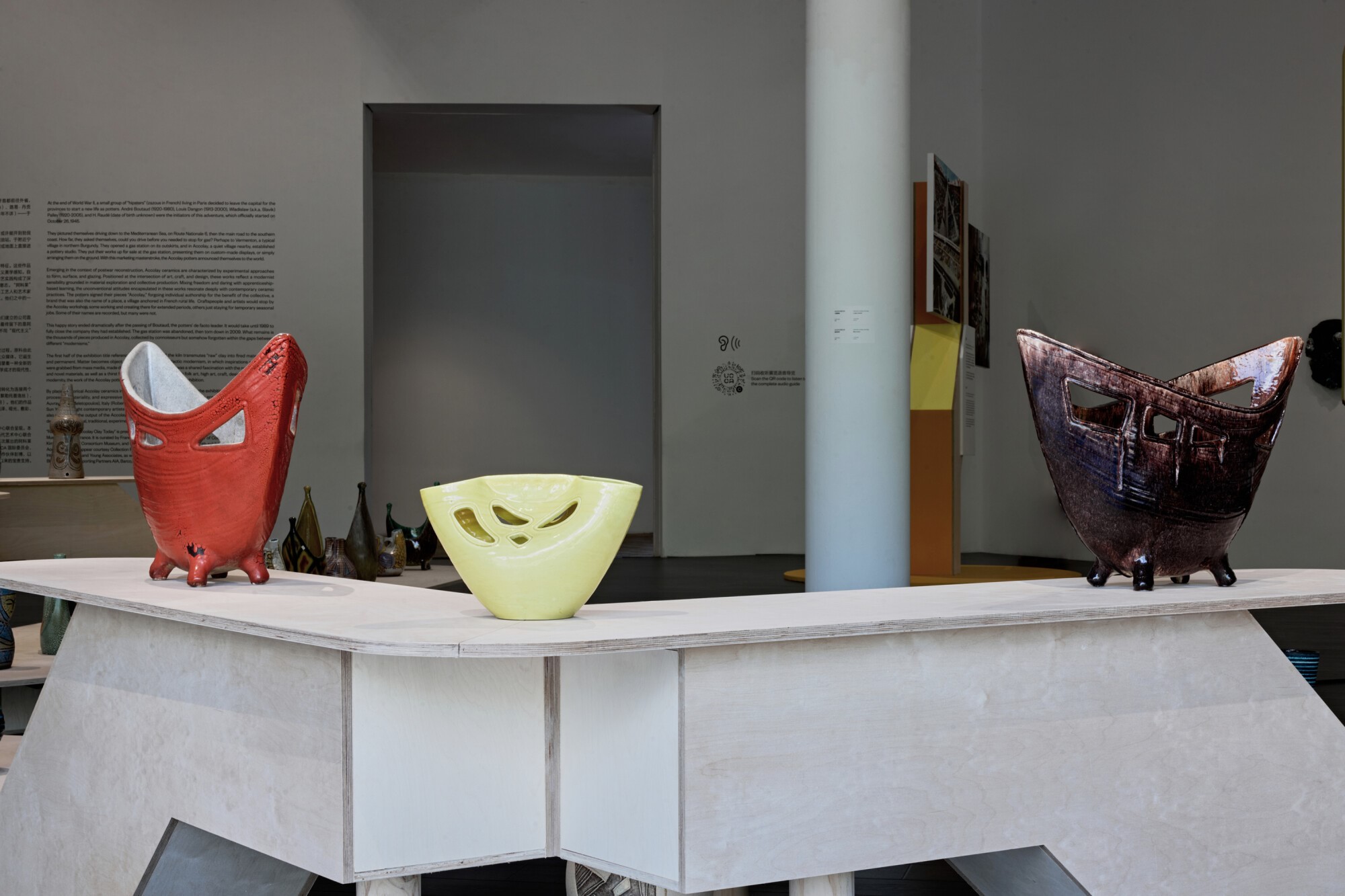
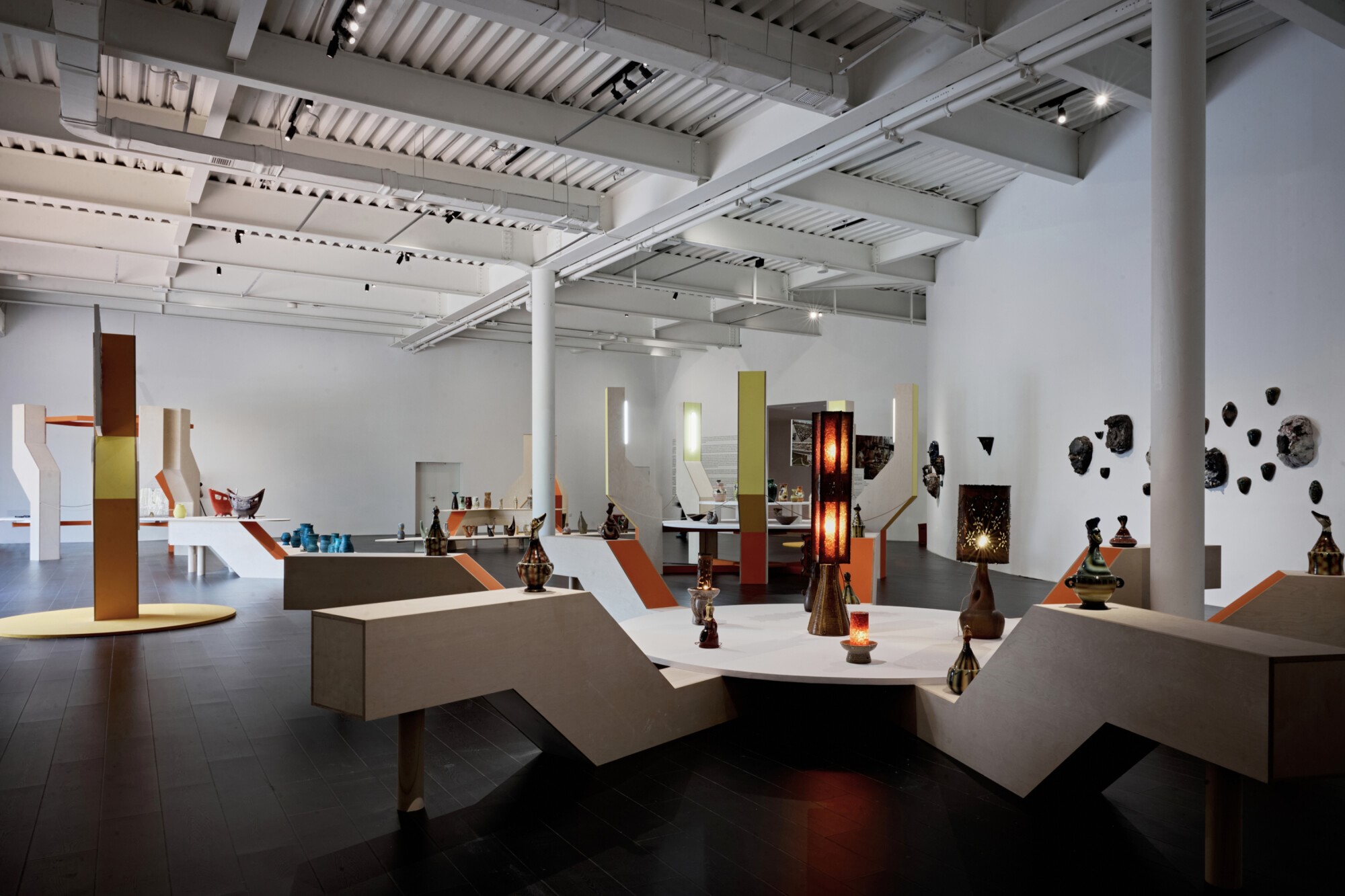
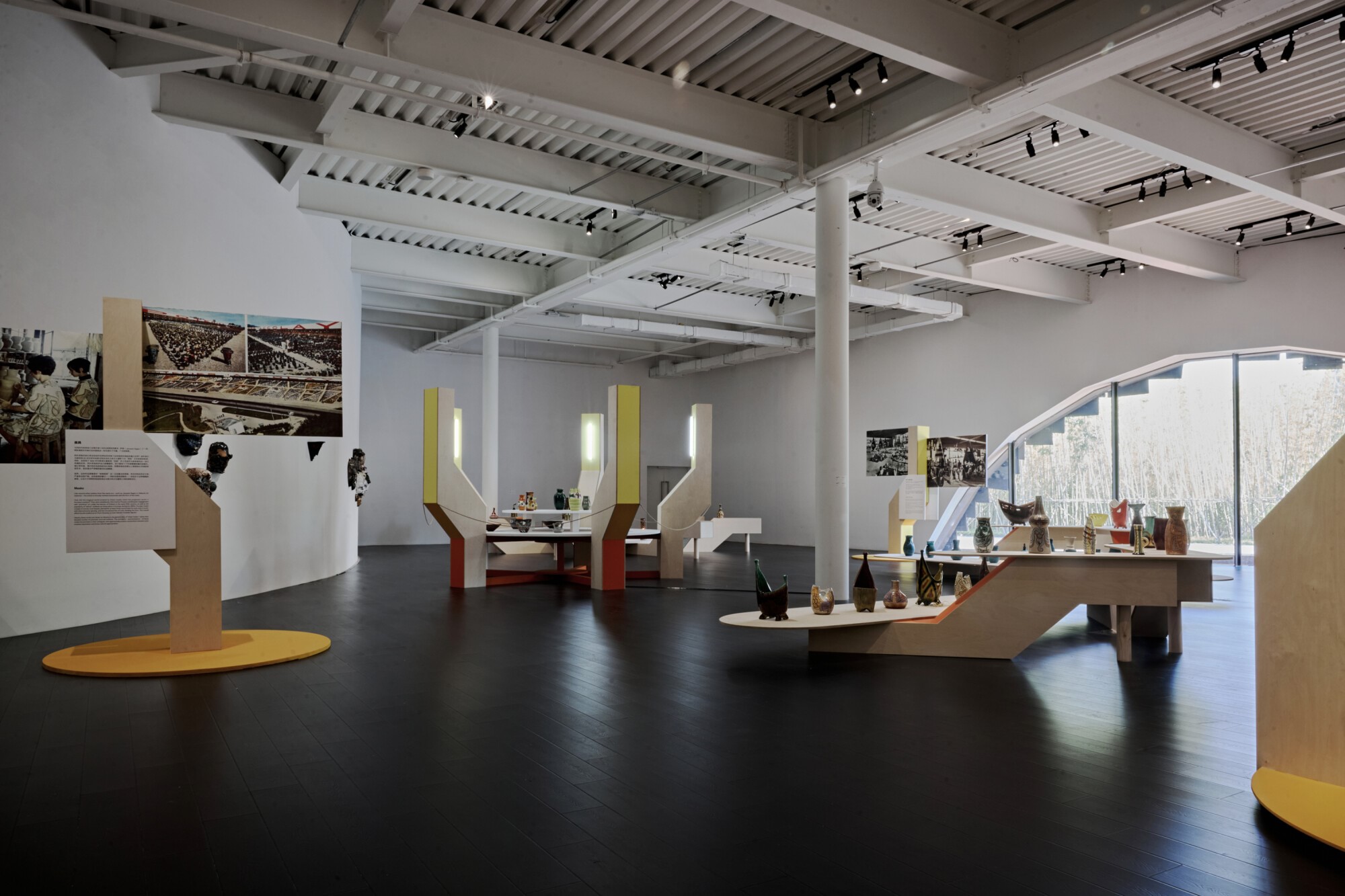
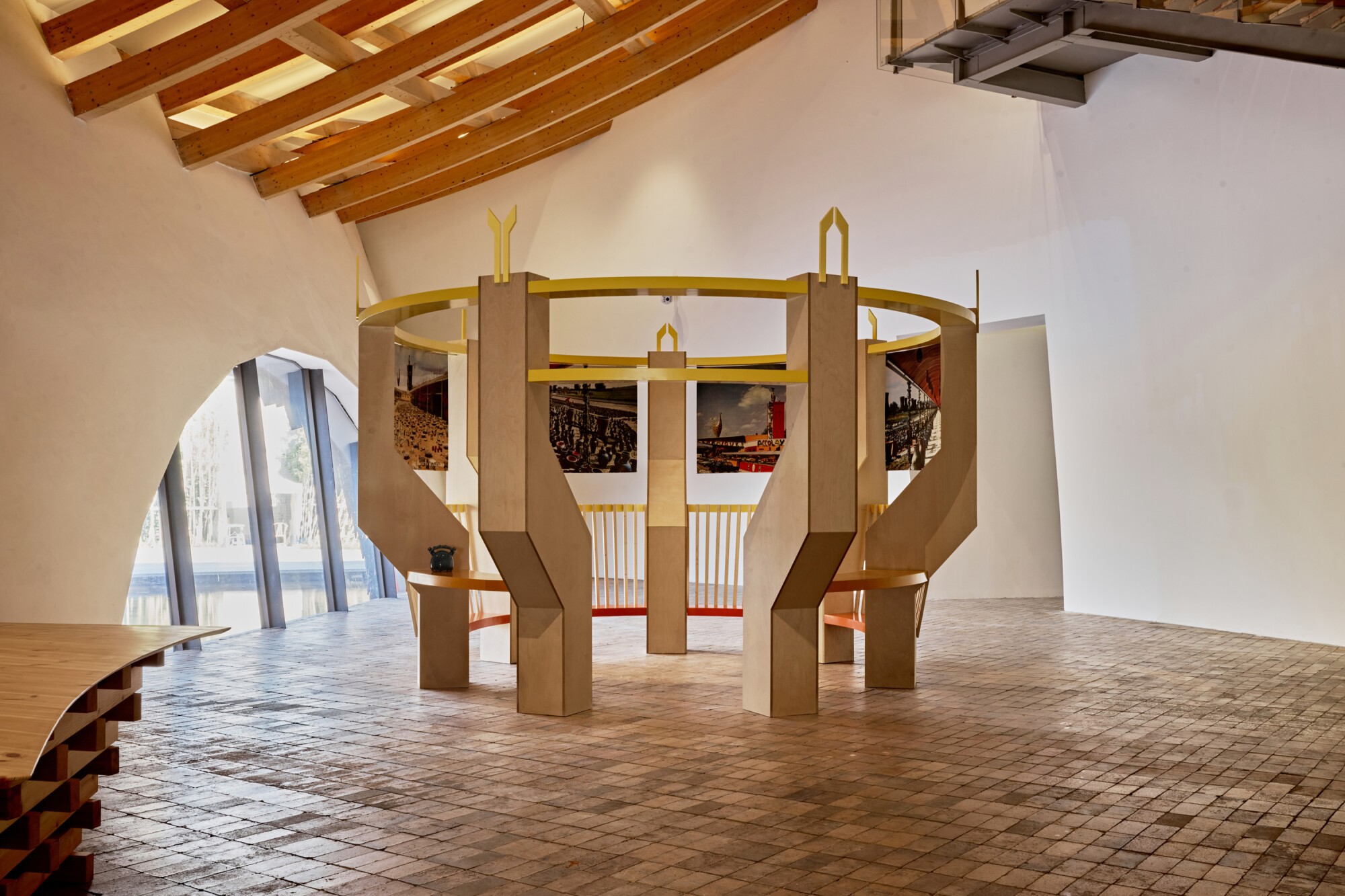
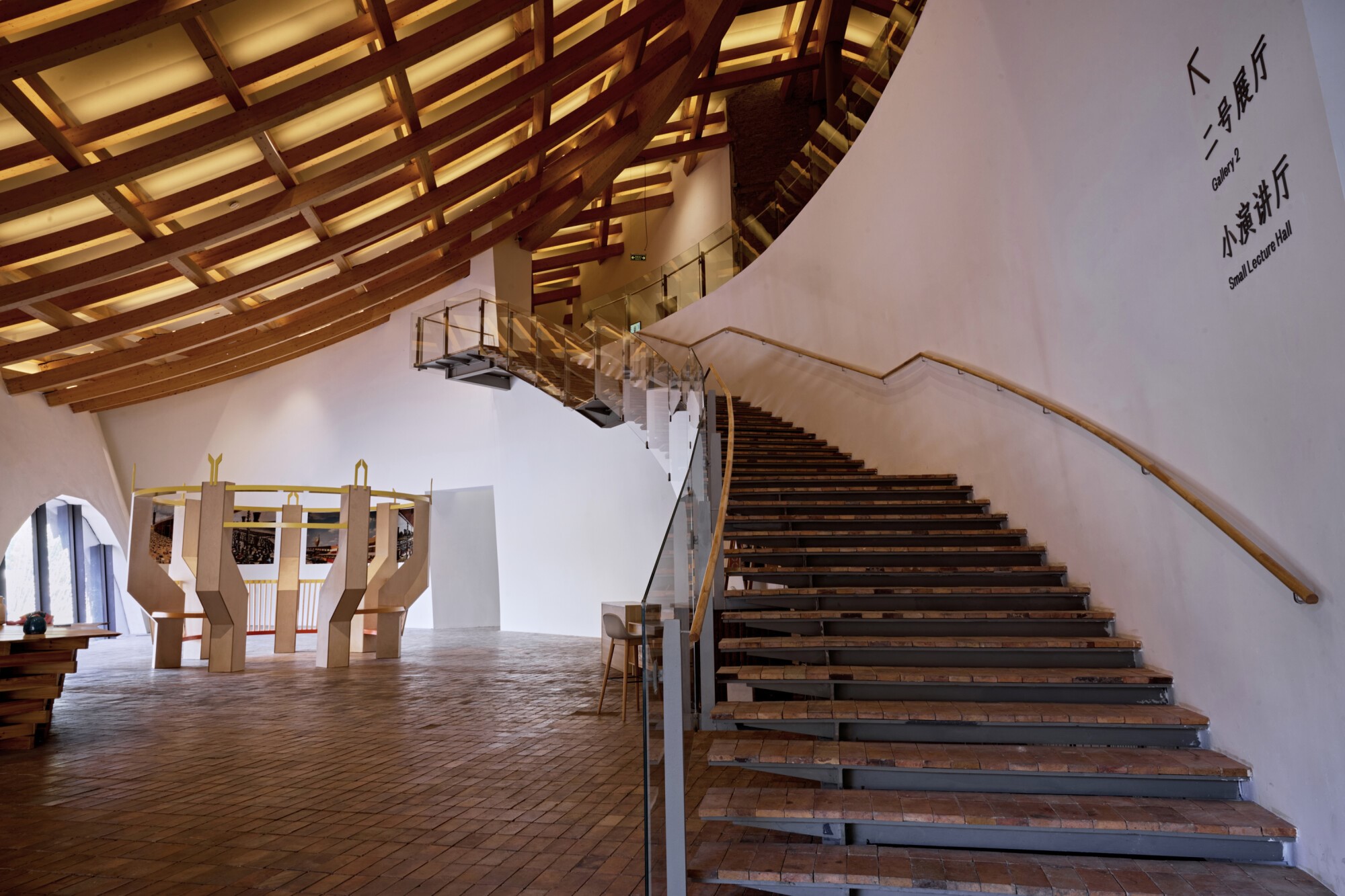
Rather than framing these two systems of practice as a linear succession within art history, this exhibition sets them a dialogue through spatial and curatorial juxtapositions, connecting the production logic of the Accolay workshop with contemporary ceramic practices. The exhibition design by matali crasset takes fire—an indispensable element in the ceramic firing process—as its central thread, transforming flames into a visual motif that animates the gallery space. Extending into evocations of tribes and camps, the spatial construction resonates with the communal living and collective creativity that defined the Accolay potters.
From postwar workshops in rural France to the diverse practices of artists working today, this exhibition is less concerned with defining a fixed ceramic style than with exploring the openness and adaptability of ceramics across different contexts. In the Accolay potters’ inquiries into form, glaze, and modes of production, as well as in contemporary artists’ expanded use of material, narrative, and sculptural language, ceramics energe here as a material, medium, and method of creation that remains open-ended—constantly shifting and transforming between art, craft, and everyday life.
Support and Sponsorship
“Raw Modernism: Accolay Clay Today” is presented by UCCA Center for Contemporary Art in collaboration with Consortium Museum in Dijon, France. It is curated by Franck Gautherot, co-founder and co-director of Consortium Museum, Seung-duk Kim, co-director of Consortium Museum, and UCCA Assistant Curator Zhang Yao, with exhibition design by matali crasset. Accolay ceramics appear courtesy Collection Pierre Emile Pralus. UCCA thanks the members of UCCA Foundation Council, International Circle, and Young Associates, as well as Lead Partners Aranya, Dior, and The Donum Estate, Presenting Partner Bloomberg, and Supporting Partners AIA, Barco, Dulux, Genelec, SKP Beijing, Stey, and Wanbo Media Group.
Public Programs
A series of public programs accompanying “Raw Modernism: Accolay Clay Today” comprises four events, including an exhibition opening tour, artist talks, and workshops. On the day of the opening, curators Franck Gautherot, Seungduk Kim, and Zhang Yao, joined by exhibition designer matali crasset, will lead a guided tour to share insights into the historical background and formal language of Accolay ceramics, as well as their resonance with contemporary artistic practices. Following this, Accolay ceramics collector Pierre-Emile Pralus will reflect on his personal journey of collecting, research, and circulation of Accolay ceramics. In conversation with the curatorial team, Pralus will further explore their cultural value and contemporary significance across art, craft, and design.
Highlighting the ways in which contemporary artists respond to and extend the spirit of Accolay ceramics, participating artists will join discussions that draw on their own creative experiences, the expressive potential of clay as a medium, the role of manual labour, and the possibilities of material experimentation. In addition, artist-led workshop will invite the public to engage directly with clay, plaster, and other materials in hands-on encounters that deepen understanding of the openness and creativity inherent in ceramic practice.
For more detailed program information, please refer to the latest official announcements on UCCA’s website, official WeChat account, and other social media platforms.
About the Artists
Nitsa Meletopoulos
Nitsa Meletopoulos lives and works in Burgundy, France. She was born in the south of France in 1984. The very first time she played with clay was in the workshop of her father, a glazed earthenware potter. She studied art and psychoanalysis at the University of Montpellier where she received a BA in fine arts and an MA in Aesthetics, and attended the Art School of Avignon, where she received her MA in 2010. At that time, she made mixed-media sculptures and installations. In 2014, during an artistic residency in Leipzig, she started working with clay. She then lived there for four years, working for a ceramic factory as well as managing a French-German cultural platform and residency. In 2018, she came back to France to strengthen her ceramic skills at the Maison de la Céramique de Dieulefit. Since 2019, she has lived and worked in Chapaize, Burgundy, France.
Her works have been acquired by the collection of the Grassi Museum of Applied Art in Leipzig, the Museum of Carouge in Switzerland and the Collection of Moly-Sabata in France, as well as by several private collectors. Nitsa has exhibited her work at various fairs, museums, and galleries nationally and internationally, including COLLECTIBLE Design Fair in Brussels, the Belgian art and design fair PRELUDE, Saint Sulpice Ceramique in Paris, the Como Lake Design Festival in Italy, several contemporary art centers in France: CCLB in La Borne, CRAC 19 in Montbéliard, MO.CO in Montpellier and LA Tolerie in Clermont-Ferrand. Since 2019, she has collaborated with Fracas Gallery in Brussels, Volume Ceramics in Paris, Shebamart Gallery in Leipzig, Moly-Sabata and Tatiss Gallery in France, Kitte in Madrid, and the design galleries Superhouse and Rhett Baruch in New York and Los Angeles.
Sylvie Auvray
Sylvie Auvray plays with different materials and techniques, including painting, bronze, plaster and aluminum sculptures and ceramics. Working across various scales in painting, ceramic, and plaster, ranging from the large to the miniature, she combines primitive forms with sharp and strident colors. Her works, including wearable items such as jewelry and masks and totems taking on human and animal forms, have a nostalgic narrative quality, and at the same time are imbued with the energy of formless childhood fears, barbaric experiments, and destructive joys evoked by their bizarre wounds and disturbing deformations. Sylvie Auvray lives and works in Paris.
Selected solo exhibitions include: “Strange Things In My Soup” (Martina Simeti, Milan, 2025); “Sylvie & Umetsu: La maison hantée ?” (Sokyo and Sokyo Annex, Kyoto, 2024); “Billevesées, Les Capucins” (Centre d’art contemporain, Embrun, 2023); “Marguerites” (Sokyo Atsumi Gallery, Tokyo, 2022); “Topsy Turvy” (Galerie Laurent Godin, Paris, 2021); “Aux foyers” (Moly-Sabata/Fondation Albert Gleizes, Sablons, 2020); “Broom” (Martina Simeti, Milan, 2019); “John’s Feet” (Chinati Foundation, Marfa, 2016); “Rings” (Galerie Francesca Pia, Zurich, 2015); “L’Éternel Détour” (MAMCO, Geneva, 2012); and “Sylvie Auvray” (Consortium, Dijon, 2010).
Group exhibitions include: “Le MAMCO, de Mémoire” (MAMCO, Geneva, 2024); “Deli Dali” (Galerie Marguo, Paris, 2024); “Enamel & Body, Le Forum” (Ginza Maison Hermès, Tokyo, 2023); Contre-Nature, MO.CO. Panacée, Montpellier, 2022; Les Flammes, l’Âge de la Céramique, Musée d’Art Moderne de Paris, 2021; All of Them Witches, Jeffrey Deitch, Los Angeles, 2020; “Fire and Clay” (Gagosian, Geneva, 2018); “Medusa” (Musée d’Art Moderne de Paris, 2017); “Island” (Dairy Art Centre, London, 2013); and “Le Meilleur des Mondes” (Mudam Luxembourg, 2010); alongside presentations at FRAC Champagne-Ardenne, Centre Pompidou, Paris; and Centre d’art contemporain Circuit, Lausanne.
Roberto Cuoghi
Roberto Cuoghi (b. 1973, Modena, Italy) lives and works in Milan. His selected solo exhibitions include: “Roberto Cuoghi - Pino Pascali Award” (Fondazione Pino Pascali, Polignano a Mare, Italy, 2025-2026); “PEPSIS” (Galerie Chantal Crousel, Paris, 2024); “PEPSIS” (Hauser & Wirth, New York, 2023); “Roberto Cuoghi” (Fridericianum, Kassel, 2022-2023); “MIRACOLA, Piazza San Carlo (public commission “Luci d’Artista”), Turin, 2019); “Imitatio Christi, Il Mondo Magico” (57th International Art Exhibition, Venice, 2017); “Perla Pollina” (CAC, Geneva; MADRE, Naples, 2017); “Putiferio” (DESTE Foundation Project Space, Hydra, 2016); “Da iḍā e piṅgalā a iḍā e iḍā o piṅgalā e piṅgalā” (Aspen Art Museum, Aspen; Le Consortium, Dijon, 2014-2015); “Šuillakku Corral” (New Museum, New York, 2014); “Zoloto” (Massimo De Carlo Gallery, Milan, 2012); “Roberto Cuoghi” (Hammer Museum, Los Angeles, 2011); “Šuillakku” (ICA, London; Castello di Rivoli Museum of Contemporary Art, Rivoli, Turin, 2008).
Selected group exhibitions include: “Raw Modernism: Accolay Clay Today” (UCCA Clay, Yixing, Jiangsu, 2026); “Performing PAC. These fragments I have shored against my ruins” (PAC, Milan, 2026); “Tragicomica. Perspectives on Italian Art from the Mid-20th Century to Today” (MAXXI, Rome, 2026); “Ouverture” (Castello di Rivoli Museum of Contemporary Art, Rivoli, Turin, 2024); “Les Flammes - L'Âge de la céramique” (Musée d’Art Moderne de Paris, Paris, 2022); “Emissaries for Things Abandoned by Gods” (Casa Luis Barragán, Mexico City, 2019); “Sanguine. Luc Tuymans on Baroque” (Fondazione Prada, Milan, 2018); “3D Double Vision” (Los Angeles County Museum of Art, Los Angeles, 2018); “Il Palazzo Enciclopedico (The Encyclopedic Palace): 55th International Art Exhibition” (Venice, 2013); “Fare Mondi/Making Worlds: 53rd International Art Exhibition” (Venice, 2009).
Rena Kudoh
Rena Kudoh (b. 1994, Miyagi Prefecture) graduated in 2017 with a BFA in Oil Painting from the Department of Fine Arts at Tohoku University of Art & Design. Without a fixed base, she works while moving from place to place. Drawing on a personal sense of chaos—formed by anonymous memories gathered through travel, lingering sensations from childhood, and dream images that emerge abruptly—she creates works across multiple media, including painting, ceramics, and drawing. Her practice gives rise to peripheral worlds that feel familiar yet belong nowhere.
Her recent solo exhibitions include: “One alone, Two hugs. All three of us together. Filleted” at (VOU / Bou, Japan,2022); “Un-public mother and child” (Shiogama Sugimura Jun Museum of Art, Japan, 2022); “The rats listen to the night” at myheirloom, Japan, 2023); and “be your dog” (Tosei Kyoto Gallery, Japan, 2023). Group exhibitions include: “How to Make Friends” (Art Center Ongoing, Tokyo, Japan, 2023). In 2025, she installed three public sculptures as part of the official projects commemorating the 1300th anniversary of the historic site of Tagajō.
From October 2025, she will spend one year in Mexico as a recipient of the Overseas Study Grant from the Pola Art Foundation.
Takuro Kuwata
Takuro Kuwata (b. 1981, Hiroshima, Japan; lives and works in Gifu, Japan) is a Japanese ceramic artist known for his use of vivid colors and metallic decorations. His sculptural and utilitarian works reinterpret traditional ceramic tea bowls for a contemporary audience, drawing on historical techniques such as kintsugi, while referencing contemporary motifs, sensibilities, and aesthetics.
Kuwata has recently presented solo exhibitions at Mead Gallery, Warwick in 2025 and Salon 94, New York, in 2021. His works are held in the collections of the Art Institute of Chicago; the University of Michigan Museum of Art; the Spencer Museum of Art; the Mashiko Museum of Ceramic Art in Tochigi, Japan; and the 21st Century Museum of Contemporary Art, Kanazawa, Japan.
Geng Xue
Geng Xue (b. 1983, Jilin, China) graduated with a Bachelor's degree from the Department of Sculpture at the Central Academy of Fine Arts in 2007 and earned a master's degree from the printmaking department of Central Academy of Fine Arts in 2014. She teaches in the Department of Sculpture at Central Academy of Fine Arts. She has participated in: the China Pavilion at the 58th Venice Biennale, 2019; the 21st Sydney Biennale, 2018; the Parallel Exhibition of the 57th Venice Biennale, 2017; and the Busan Biennale, 2014. Geng has been invited to participate in artist residency programs at the Gwangju Yijae Museum, South Korea; the Seto City Art Museum, Japan; the Fire Works Ceramic Studio, Cardiff, UK; the National Sculpture Factory, Ireland; as well as residencies in Berlin and Paris. She has also participated in inter-university exchange and visiting programs at West Virginia University, USA, and Karlsruhe University of Arts and Design, Germany.
Her works in ceramics, sculpture, painting, and video are in the collections of institutions including the Art Museum of the Central Academy of Fine Arts, China; Henan Museum, China; Wuhan Art Museum, China; Zhuzhong Art Museum, China; M+ Museum (Uli Sigg Collection), Hong Kong, China; National Museum Wales, UK; Chazen Museum of Art, University of Wisconsin, USA, Gwangju Museum of Art, South Korea, Seto City Art Museum, Japan; White Rabbit Gallery, Australia; Royal Delft Museum, the Netherlands; Simon Fraser University Library, Canada; National Gallery of Victoria, Australia; and Powerhouse Museum, Australia. Her video works have been selected for exhibitions such as “A Hundred Years of Chinese Animation: Wanlai Ming Documentary Exhibition — Special Screening at the Chinese Independent Animation Film Forum”; the 11th IZDANJE 25FPS Film Festival; “Here Out There,” the HAFF International Animation Film Festival, the Netherlands; and the ANČA International Animation Film Festival, Slovakia.
Ou Ming
Ou Ming (b. 1983, Hubei, China; lives and works in Shanghai) received a BFA in Sculpture from Chengdu Academy of Fine Arts in 2008 and an MFA in Sculpture from the Central Academy of Fine Arts in 2013. He previously taught in the Department of Sculpture at the Fine Arts College of Sichuan Conservatory of Music. Ou’s recent solo exhibitions include: “Repeat, Wait” (Studio Gallery, Shanghai, 2022); “Ash” (Studio Gallery, Shanghai, 2020); “Water, Body, Time” (Studio Gallery, Shanghai, 2017); and “Speed” (Twins Art Space, Shanghai, 2016). Selected group exhibitions include: “Art Paris” (Monnaie de Paris, Paris, 2025); “Time, Vision, Experiment: A Working Method” (Monnaie de Paris, Paris, 2025); “Xinyi Annual International Project for Young Artists: Young Artists Nomination Exhibition” (Xinyi Art Museum, Beijing, 2024); “Beijing Contemporary Art Expo” (National Agricultural Exhibition Center, Beijing, 2023); “West Bund Art & Design (West Bund Art Center, Shanghai, 2023); Meta Media Art Festival (Taikoo Li Qiantan, Shanghai, 2023); Knowledge Has No Bounds” (Cheng Shifa Art Museum, Shanghai, 2023); “West Bund Art & Design” (West Bund Art Center, Shanghai, 2022); “The 2nd BFC Bund Art Festival” (Shanghai, 2022); “Expressions of Materiality” (OCAT Xi'an, Xi'an, 2022); “Texture” (Studio Gallery, Shanghai, 2022); “Young People Don't Play by the Rules” (Studio Gallery, Shanghai, 2021); “Approximation” (501 Sequence Space, Chongqing, 2016); “Reconstructing Space: Spring Sculpture Salon” (Wanhe Art Museum, Beijing, 2015); “Creativity: Works by Young and Mid-Career Sculptors in Beijing” (Chaoyang Planning Art Museum, Beijing, 2014); “A Journey of a Thousand Miles: Outstanding Graduation Works from the Central Academy of Fine Arts” (Central Academy of Fine Arts, Beijing, 2013); and “The Flight of Language: China Sculpture Yearbook Exhibition” (National Centre for the Performing Arts, Beijing, 2013).
Sun Yue
Sun Yue (b. 1991, Liaoning, China) graduated with a BA in Fashion Design from the Academy of Arts & Design, Tsinghua University in 2013, and received an MFA in Fine Arts from Parsons School of Design, New York, in 2017. In 2018, she founded Key-Craft Ceramics Studio, where she has continued her independent ceramic practice. She currently lives and works between Jingdezhen, China, and Tamba-Sasayama, Japan. Selected exhibitions include: “How Long Is the Silk Road?” (Dunhuang Contemporary Art Museum, Shanghai, 2026); “Louis Vuitton Maison Art Collection Project” (Taikoo Li Sanlitun, Beijing, 2025–present); “The Gate of All Things: The Vanishing Exhibition, Act V” (Zhi Art Museum, Chengdu, 2025); “Trajectories of Matter” (Common Art Center, Beijing, 2024); “Journey of Porcelain: Jingdezhen International Ceramic Art Biennale 2023” (Jingdezhen, 2023); “Echo” (two-person exhibition with Pan Xiaorong, BLANK Gallery, Shanghai, 2023); “The Forehead of the World” (two-person exhibition with Zhang Xiaoying, Xiansuo, Shanghai, 2022); “Happy Times Are Not Always Short-Lived” (two-person exhibition with Qin Yuling, Gallery Where, Beijing, 2022); “Spring Blooming” (BLANK Gallery, Shanghai, 2022); “Curves and Straight Lines: The Twinship of Art and Design” (Zhenbao Art Foundation, Shanghai, 2022); Wallpaper* Dossier: “Co-Made Collaborative Project” (Shanghai, 2022); “Mingzhou on Ceramics 2022: Ningbo International (China–Japan–Korea) Exhibition of Contemporary Young Ceramic Artists” (China Port Museum, Ningbo, 2022); “Natural Forms” (20C Gallery, Shanghai, 2022); “Flower Beds in Reflection” (Doya Space, Hangzhou, 2021); “Loewe Artbox Shanghai” (Shanghai, 2020); “The Book of Sand” (NAYUN, Hangzhou, 2020); “notSHOWROOM” (Xiansuo, Shanghai, 2020); “Pebbles Growing” (Sleepcenter Gallery, New York, 2018); and “Second Nature” (Westbeth Gallery, New York, 2017), among others.
About the Curators
Franck Gautherot
Franck Gautherot was born in France and lives in Dijon and Paris. He has been a co-founder and co-director of the Consortium Museum. Since 1977, he has organized hundreds of exhibitions and collaborated with numerous artists who are now internationally renowned, often at the very beginning of their careers.
Co-founder & CEO of publishing house Les presses du reel, he has been in charge of a number of publications and the editorial policy. (www.lespressesdureel.com) As co-commissioner, Consortium has curated several contemporary art biennales, including the French Pavilion at the Venice Biennale, 2001; the Lyon Biennale, 2003; and the Valencia Biennale, 2005.
As a producing institution, Consortium Museum has initiated many public art commissions in France and abroad. Since the early 2000s, Le Consortium has participated in a number of urban artistic regeneration programs, including the Anyang Public Art Project in South Korea in 2007 and the Doha Musheireb Downtown Project in Qatar from 2011 to 2013.
His practice has brought him into contact with various geographies, cultures, generations of creative minds, and diverse disciplines: visual arts, publishing, films productions, architecture, craft and music. Various formats and scenarios have been explored throughout his long-term commitment.
Seungduk Kim
Seungduk Kim was born in Korea and lives in Paris. In 2000, she joined the Consortium Museum (Dijon, France) as a co-Director. Other positions she has held include: Associated Curator in the Collection Department at the Centre Georges Pompidou from 1996 to1998; Programming Committee Member for the Palais de Tokyo in Paris from 2011 to 2017; and Commissioner and Curator of the Korean Pavilion at the 2013 Venice Biennale.
Among her major international projects are: Lynda Benglis traveling shows, Yayoi Kusama traveling shows, Anyang Public Art Project (APAP) (2007); Valencia Biennale (Venice, 2005); “Flower Power” (Lille, 2004); Asia Culture Center, and artistic director for common space area along with Franck Gautherot, 2014-2016. She was made Chevalier de l’ordre des Arts et des Lettres by the Ministry of Culture of the Government of France in July 2022.
Her skills cover curatorial practices, strategy development, and international networking, shaped by her multicultural background, spanning Korea, the USA, to Italy, and France. She has published a number of interviews and critical analyses in catalogues and magazines.
About the Exhibition Designer
matali crasset is an internationally renowned French designer. She has defended design as an artistic, anthropological, and social practice ever since graduating from the ENSCI-Les Ateliers. She strives to place design at the service of creativity, people, and everyday life. “How can design contribute to our community and help us navigate the contemporary world?” This is the simple yet engaged premise, from which she thinks and sets everything in motion. For the past 30 years, she has been inventing her singular path, undertaking hundreds of projects within the fields of architecture, exhibition and furniture design, public spaces, and urban planning.
Her works have been exhibited in France and abroad. They are part of important museum design collections, including the MoMA’s, New York, and the Centre Pompidou’s, Paris.
Her design without borders expresses her deep conviction that any creative process is first and foremost human, social, and ecological. The purpose of any project doesn’t lie on its sole realization, but the process it implements and its capacity to forge links, create a system of exchange and reciprocity between individuals within a given environment. From this perspective, all projects ultimately turn into a collaborative effort.
About Consortium Museum
Consortium Museum is a contemporary art center and a museum based in Dijon, France.
Founded in 1977 in Dijon, France, the Consortium Museum is one of France’s most historic and influential independent contemporary art institutions. Its journey began modestly on the first floor of an alternative bookstore and later transitioned into a former appliance store. It was within these unconventional spaces that founders Xavier Douroux and Franck Gautherot pursued an ambitious mission to exhibit the most contemporary art of their time. In 2000, Seungduk Kim joined as co-director, bringing an expanded international perspective that has shaped the museum’s programming ever since.
Since 2011, the museum has been housed in a landmark building specifically designed by the Pritzker Prize-winning architect Shigeru Ban. This architectural masterpiece serves as the backdrop for a bold and independent curatorial vision that has earned the museum a global reputation. Described by The New York Times as a place that “quietly predicts the next big things,” the institution is celebrated for showcasing visionary artists long before they achieve global prominence.
From its earliest years, efforts have been made to build the conditions for artists to produce new works, specifically on-site projects. And long-term relationships have been set up with the greatest international artists, giving opportunities to public art commissions, traveling exhibitions worldwide, books, and film projects.
The museum’s storied exhibition history includes many of the most significant names in contemporary art. Its halls have featured avant-garde icons such as Christian Boltanski, Cindy Sherman, Daniel Buren, Richard Prince, and Hans Haacke during the 1970s and 80s, followed by influential figures like Philippe Parreno, Pierre Huyghe, Maurizio Cattelan, and Ugo Rondinone in the 1990s.
This rich history is preserved in the museum’s permanent collection, presented in monographic or thematic sequences on the building’s top floor. Comprising over 500 works, the collection is a “living memory” of the institution’s decades of programming — most of which are gifts and site-specific productions by exhibiting artists. This includes significant bodies of work by On Kawara, Cady Noland, Dan Graham, Louise Lawler, John Armleder, and Steven Parrino, among many others.
The Consortium Museum is a laboratory of contemporary creation with a flexible structure: along with the art center for the exhibitions, a publishing house (Les presses du réel) and a film company (Anna Sanders Film) have been created. Anna Sanders Films has served as producer for films by Thai filmmaker Apichatpong Weerasethakul, who received the Palme d’Or at Cannes in 2010.
UCCA Beijing
Open Today, 10:00-19:00 (Final entry: 18:30)
798, No. 4 Jiuxianqiao Lu, Beijing
Tel: +86 153 1170 8837
UCCA Dune
Closed Today, 9:30-18:00
Aranya Gold Coast, Beidaihe
Tel: +86 335 7522 652
UCCA Clay
Closed Today, 9:00-18:00
West Entrance, Creative & Cultural Ceramic Avenue, Dingshu Town, Yixing City, Wuxi City, Jiangsu Province
Tel: +86 0510 8767 9989